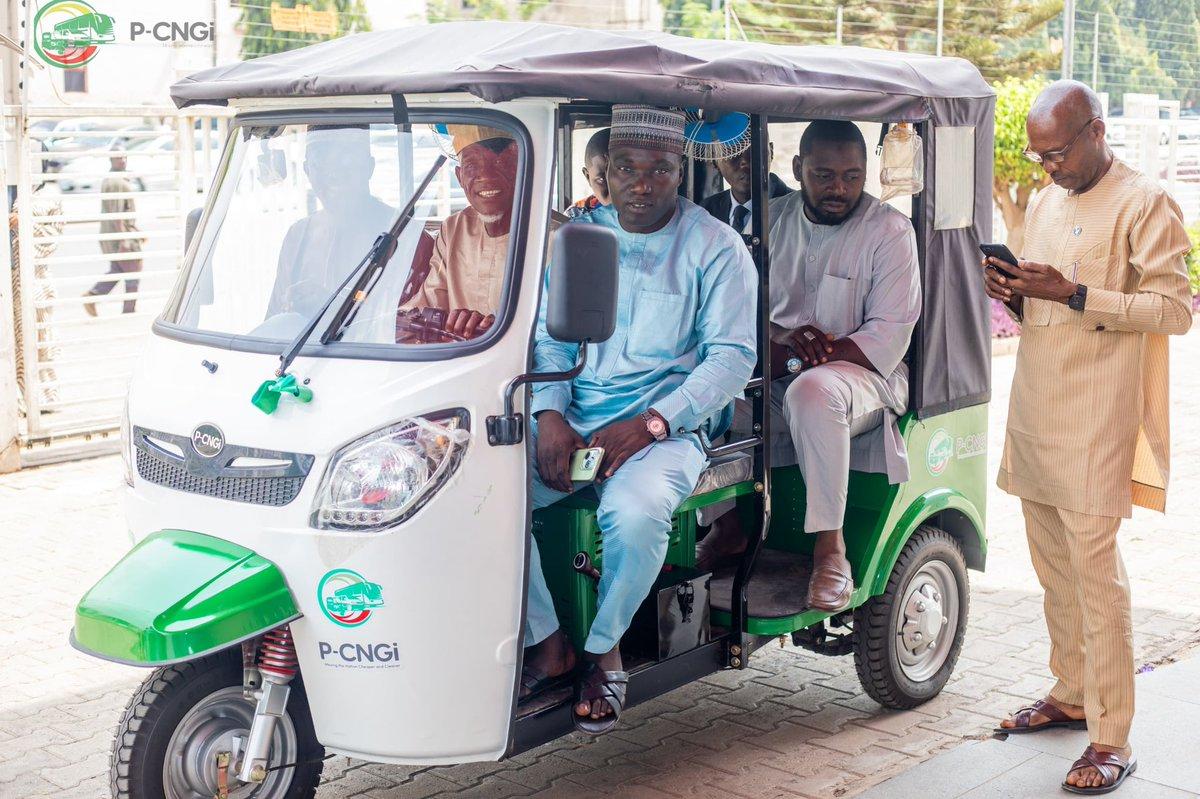
The Adamawa State Government, in partnership with the Nigerian Consumer Credit Corporation (CREDICORP), has launched a consumer-credit mobility programme aimed at expanding income-generation opportunities and supporting entrepreneurship.
The initiative includes the distribution of CNG-powered tricycles to beneficiaries, with the programme designed to provide access to productive assets and promote cleaner transportation.
According to the supplied account, 120 beneficiaries received the tricycles during an inauguration ceremony at Mahmud Ribadu Square in Jimeta-Yola on Wednesday.
Supporting Livelihood Opportunities
The programme seeks to connect access to transportation assets with opportunities for commercial activity and income generation.
For beneficiaries operating the tricycles for transportation services, the vehicles may provide a means of earning income while supporting access to productive equipment.
The actual economic outcomes will depend on factors including financing terms, repayment obligations, operating costs, maintenance and access to reliable fuel infrastructure.
CNG and Transportation Development
Compressed natural gas is being promoted as an alternative fuel for certain transportation applications in Nigeria.
The use of CNG-powered tricycles introduces considerations relating to refuelling access, equipment maintenance, vehicle availability and the cost of operating the vehicles.
The programme’s stated environmental and economic objectives should be assessed through its operational performance and the experiences of beneficiaries.
Consumer Credit and Sustainability
Consumer-credit arrangements can help individuals acquire productive assets without having to finance the entire purchase cost upfront.
However, the long-term sustainability of such initiatives depends on transparent financing conditions, manageable repayment obligations and the support available to beneficiaries.
The number of vehicles distributed is one measure of implementation. The programme’s wider impact should also be assessed through the livelihoods created, repayment performance and the continued operation of the vehicles.