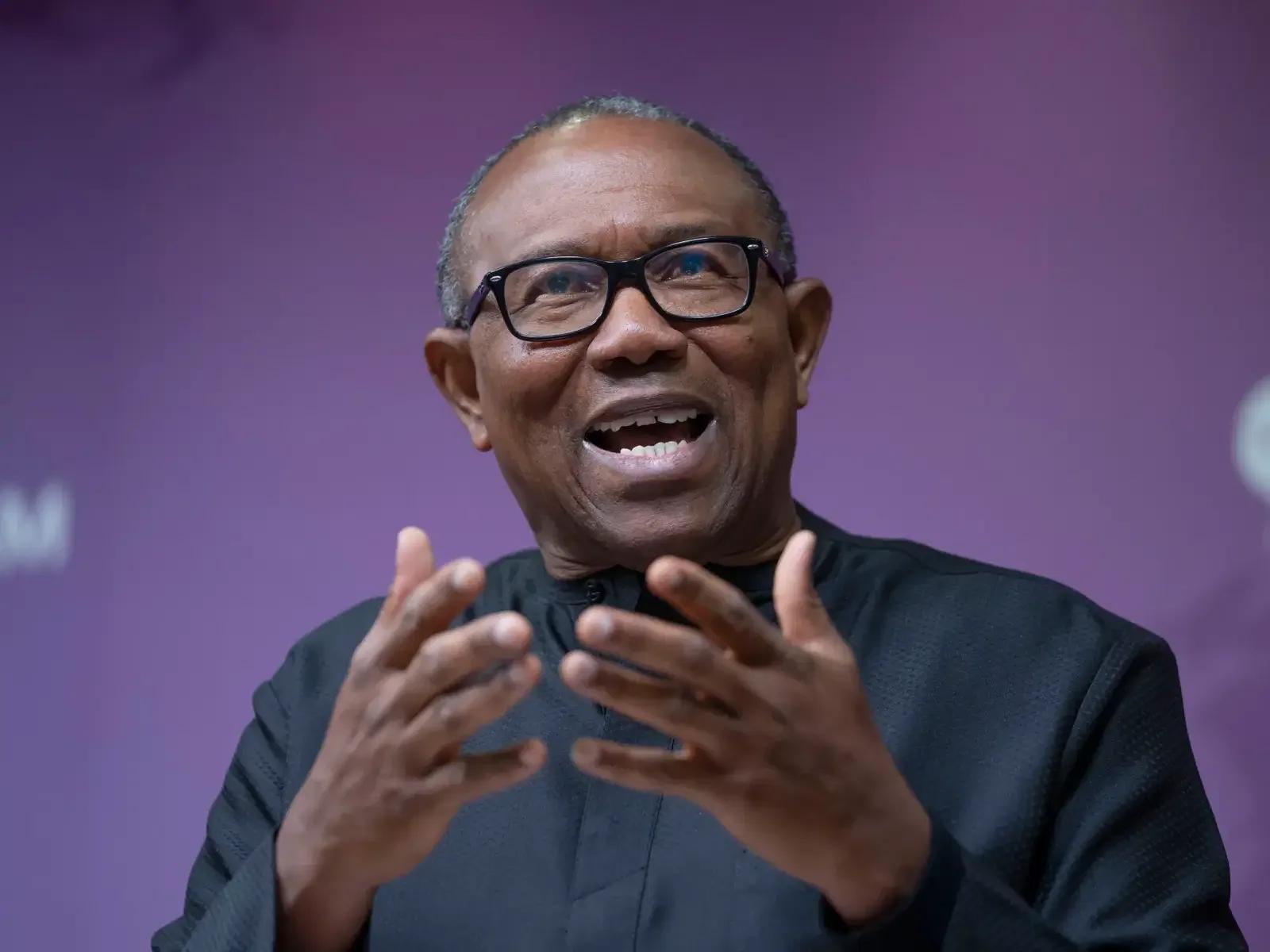
Presidential candidate of the Nigeria Democratic Congress (NDC), Peter Obi, has rejected claims that he left Anambra State with $123.77 million in external debt when he handed over power in March 2014.
The former governor said the figure being cited in the ongoing dispute with the Anambra State Government represents a combination of development-financing categories rather than conventional loans personally obtained by his administration.
Obi’s comments come amid a public disagreement between him and the administration of Governor Chukwuma Soludo over the state’s financial obligations and the record of Obi’s tenure.
Obi Responds to Debt Dispute
The former governor said he had remained silent in recent days because of the death of his elder brother and friend, Chief Okey Ezeibe.
He also stated that he had no disagreement with Soludo or any other governor, maintaining that his focus remained on the challenges facing Nigerians.
Obi’s position forms part of the wider dispute over how Anambra’s historical borrowings and financial obligations should be interpreted.
Competing Claims About the State’s Financial Legacy
The Anambra State Government has previously alleged that Obi’s administration contracted external loans during his time in office and that outstanding obligations remained after he left government.
The state government’s account of the debt has been disputed by Obi, who has maintained that his administration left behind a different financial position.
The two positions raise questions about the distinction between loans contracted, amounts disbursed, outstanding balances, development-financing arrangements and the obligations inherited by subsequent administrations.
A complete assessment of the competing claims requires reference to official debt records, loan agreements, disbursement documents, repayment schedules and the relevant financial statements.
The Importance of Public Records
Disputes over historical debt figures can have implications for public accountability, government borrowing and the assessment of previous administrations.
The key issue is not simply the headline amount but the nature of each financing arrangement, the dates of the agreements, the outstanding balance at handover and the legal responsibility for repayment.
Obi’s response represents his account of the financial position he left behind, while the Anambra State Government has presented a different interpretation of the state’s debt history.