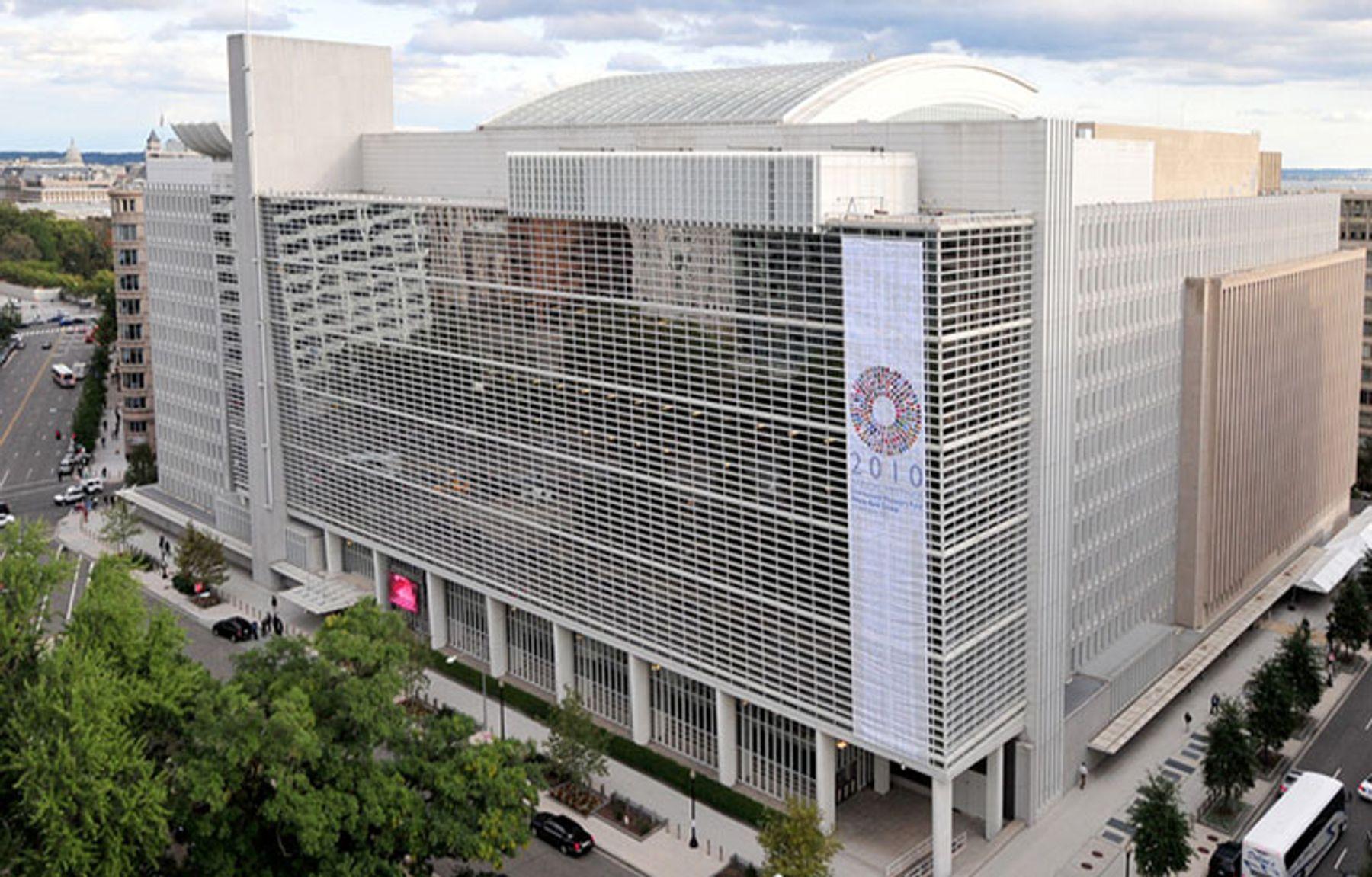
The Allied Peoples Movement (APM) has urged the World Bank and other international financial institutions to reject the Federal Government’s proposed $1.5 billion financing request, arguing that additional borrowing could increase the financial burden on Nigerians.
The party made its position known on Tuesday through its National Publicity Secretary, Abubakar Yusuf, in Abuja, amid reports that the Federal Government was negotiating fresh financing with the World Bank.
The proposal comes as Nigeria’s public debt stock stood at ₦166.79 trillion at the end of June 2026, according to figures cited in recent reporting.
Party Raises Concerns Over Additional Borrowing
Yusuf called on international lenders to consider the economic circumstances of Nigeria’s more than 200 million citizens before approving further credit facilities for the administration of President Bola Ahmed Tinubu.
The party argued that the government should demonstrate how existing loans have been utilised and what measurable benefits they have delivered before taking on additional obligations.
The proposed financing has also attracted scrutiny from other political figures. Former Vice President Atiku Abubakar, for instance, has called for greater transparency regarding existing borrowing and the outcomes of government-funded projects.
What the Proposed Financing Covers
Reports on the World Bank proposal indicate that the $1.5 billion is structured as three separate $500 million financing facilities rather than a single loan. The proposed programmes cover social protection, human capital development and climate resilience.
One of the facilities is intended to support climate-resilience interventions, including the Agro-Climatic Resilience in Semi-Arid Landscapes programme.
The financing would add to Nigeria’s existing obligations to the World Bank Group, making the terms, implementation arrangements and expected economic benefits important considerations in assessing the proposal.
The APM’s intervention adds to the broader debate over public borrowing, debt sustainability and the use of external financing to address Nigeria’s development needs.