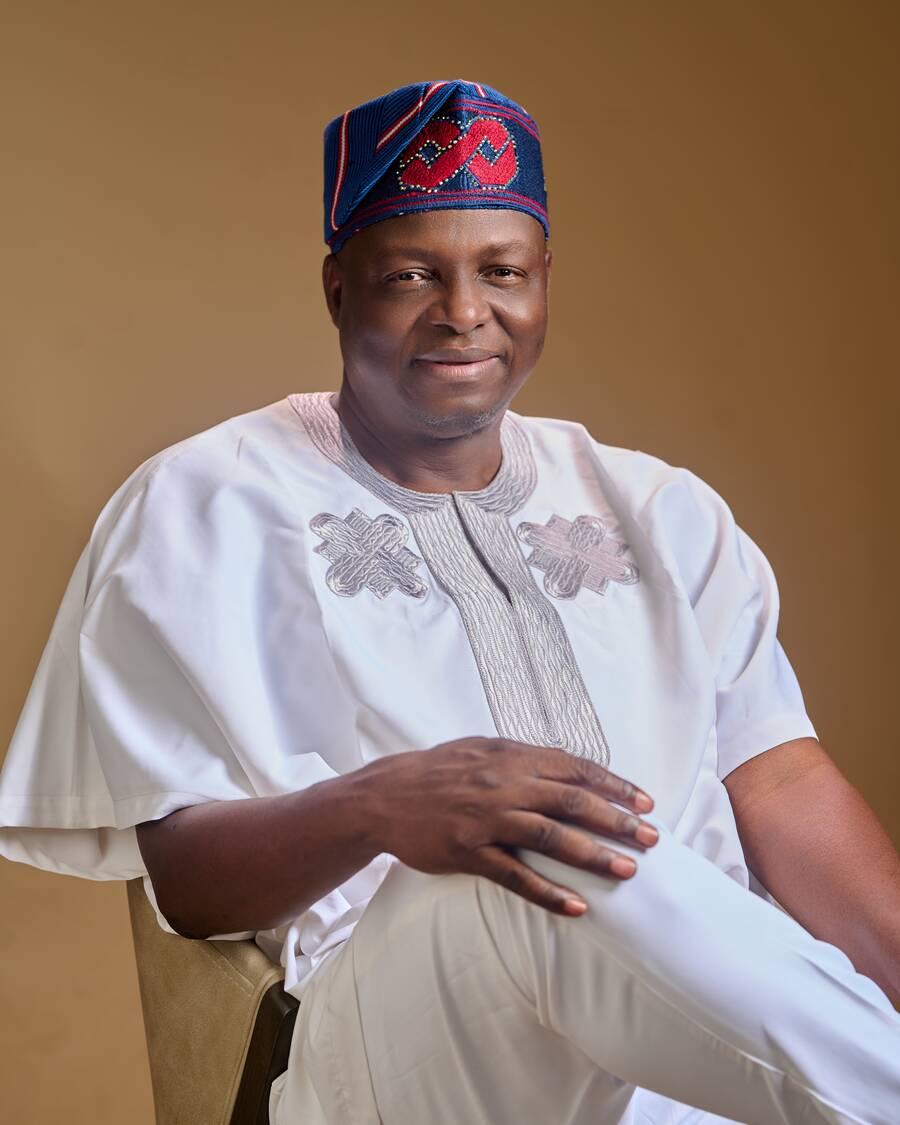

The National Chairman of the All Progressives Congress (APC), Professor Nentawe Yilwatda, has warned that restoring petrol subsidies could undermine development projects in northern Nigeria, arguing that reversing the policy would affect funding for infrastructure, agriculture and education.
Yilwatda made the remarks in Abuja while receiving former State House of Assembly candidates and other members of the African Democratic Congress (ADC) who defected to the APC from Jigawa, Plateau, Taraba and Zamfara states.
He also rejected claims that President Bola Ahmed Tinubu’s administration had neglected northern Nigeria.
According to reports published by Vanguard and Naija News in late September, Yilwatda argued that subsidy restoration could reduce resources available for projects in the region and potentially reverse some of the administration’s development priorities.
Subsidy Debate and Regional Development
Yilwatda linked the government’s decision to remove petrol subsidies with its capacity to finance infrastructure and other public projects.
He cited road construction and other development initiatives as evidence of the administration’s attention to northern Nigeria.
The APC chairman argued that reversing the subsidy policy could affect the resources available for such programmes.
His comments come amid a wider political debate over whether Nigeria should maintain subsidy removal, restore some form of support or adopt alternative measures to reduce the cost of fuel for consumers.
Competing Economic Arguments
Supporters of subsidy removal have argued that ending the payments can reduce pressure on public finances and create room for other government expenditure.
Those advocating a return to subsidies or targeted fuel support have focused on the burden of higher fuel prices on households, transport operators and businesses.
The actual effects of either approach depend on the cost of the policy, its funding arrangements, implementation and the distribution of benefits.
Yilwatda’s warning represents the APC’s argument against reversing the policy. It does not independently establish how a different subsidy arrangement would affect every project or household in northern Nigeria.
Political Realignments Ahead of 2027
The remarks were made while the APC received politicians who had defected from the ADC.
Their movement comes as political parties prepare for the 2027 general elections and seek to strengthen their structures across states and constituencies.
Yilwatda urged the defectors and party members to mobilise support for Tinubu’s re-election campaign.
The exchange reflects the intersection of economic policy, regional development and electoral competition, with subsidy policy remaining a central issue in arguments about the country’s economic direction.