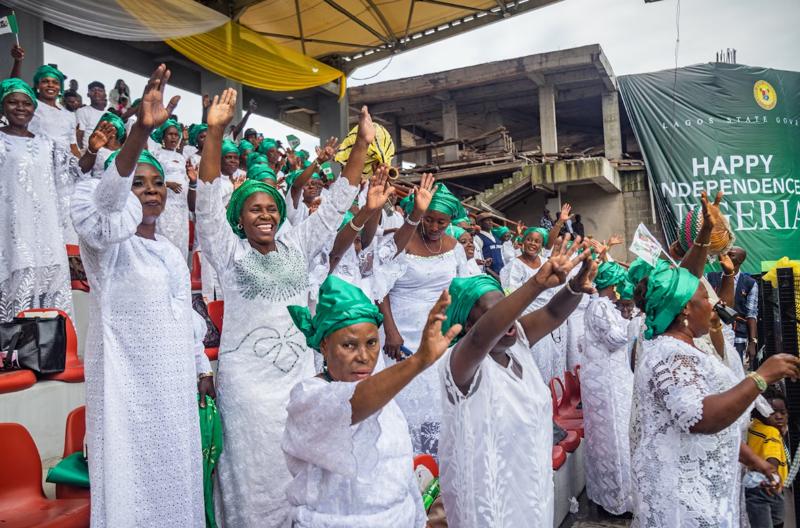
Sixty-six years after independence, the country reflects on its achievements, enduring challenges and the hopes of millions still working towards a better future.
Nigeria’s 66th Independence Anniversary is more than a date on the national calendar. It is an opportunity to reflect on the promises made at independence, the progress achieved across generations and the distance that remains between the country’s potential and the everyday experiences of its people.
For Posh Reporters, this anniversary presents an opportunity to examine the Nigerian story through the lives, aspirations and concerns of ordinary citizens—without losing sight of the country’s resilience, diversity and capacity for renewal.
NIGERIA AT 66: A NATION OF GREAT PROMISE, ENDURING CHALLENGES AND UNFINISHED DREAMS
By Posh Reporters | October 1, 2026
Nigeria marks 66 years of independence on Thursday, October 1, 2026, celebrating a national journey defined by resilience, ambition, political transformation and the determination of its people to build a better future.
Since gaining independence from Britain in 1960, Africa’s most populous country has experienced profound changes, including periods of civilian and military rule, a civil war, economic crises and a return to constitutional democracy in 1999. This anniversary also marks 27 years of uninterrupted constitutional democratic rule.
Yet, beyond the national flags, anniversary ceremonies and messages of goodwill, an important question remains: 66 years after independence, how much of Nigeria’s promise is reflected in the everyday lives of its citizens?
For millions of Nigerians, independence is not simply a historical achievement. It is an expectation that the country should provide an environment in which people can live safely, earn a decent living, access quality education, obtain reliable healthcare and pursue opportunities without being held back by circumstances beyond their control.
As the country celebrates another milestone, its achievements deserve recognition, while its persistent challenges demand honest reflection.
The Promise of Independence: A Journey Still Unfolding
Nigeria’s independence in 1960 represented the culmination of years of political mobilisation and constitutional negotiations led by nationalists who sought self-government and the right of Nigerians to determine their own future.
The founding generation inherited a country with significant natural resources, diverse cultures, considerable agricultural potential and a population whose aspirations extended beyond colonial administration.
The promise was that Nigerians would increasingly shape their political institutions, economic priorities and national destiny.
The years that followed, however, brought both progress and severe setbacks. The country experienced military interventions, a civil war between 1967 and 1970, political instability and recurring economic difficulties.
The restoration of civilian government in 1999 established the beginning of the current period of uninterrupted constitutional democracy. Since then, Nigeria has continued to develop its political institutions while confronting questions about governance, public accountability, economic inclusion and the delivery of essential services.
The national journey therefore cannot be reduced to a single narrative of success or failure. It is a story of achievements alongside unresolved problems, and of a country whose potential continues to generate expectations among its citizens.
The Economy: When National Growth Must Reach the Household
One of the most important tests of Nigeria’s progress at 66 is whether economic improvements translate into better living conditions for ordinary people.
The Federal Government says its economic reforms are beginning to produce measurable results. At a September 24 briefing ahead of the anniversary, the Minister of Information and National Orientation, Mohammed Idris, reported that real gross domestic product grew by 4.43 per cent in the second quarter of 2026, compared with 4.23 per cent in the corresponding quarter of 2025. He also cited improvements in foreign reserves, domestic refining capacity and productive activity.
These indicators provide part of the picture of the national economy. However, economic growth and improvements in financial indicators do not automatically mean that every household is experiencing higher purchasing power or greater financial security.
The Lagos Chamber of Commerce and Industry, in its September 30 Independence anniversary statement, acknowledged signs of macroeconomic stabilisation but called for urgent action to lower the cost of living, reduce the cost of doing business and accelerate job creation. It also emphasised the need to improve real incomes and strengthen social protection for vulnerable households.
For many families, economic progress is measured through everyday necessities: the cost of food, transport, housing, electricity and education, alongside the income available to meet those expenses.
For a trader, it may mean keeping a business profitable despite operating costs. For a young graduate, it may mean securing employment that provides a reasonable standard of living. For parents, it may mean being able to feed their children and keep them in school without sacrificing other essential needs.
The central economic question at Nigeria’s 66th anniversary is therefore not only how quickly the economy is growing, but also how widely the benefits of that growth are being shared.
Security: The Right to Live Without Fear
Security remains another fundamental measure of national progress.
For citizens to benefit from economic opportunities, attend school, operate businesses and move freely, they must have reasonable protection from violence and criminal activity.
Nigeria continues to face security challenges in different parts of the country, including insurgency, banditry, kidnapping, communal violence and other forms of organised crime.
These threats have implications beyond the immediate victims. They can disrupt farming, restrict movement, discourage investment, interrupt education and place additional pressure on families and communities.
The Federal Government has reiterated its commitment to strengthening national security and improving public safety in its Independence Day message.
The effectiveness of that commitment will ultimately be judged by measurable improvements in citizens’ safety, the protection of vulnerable communities and the ability of people to pursue their daily activities without persistent fear.
At 66, security must remain more than a government policy objective. It is a basic condition for the exercise of freedom and the pursuit of prosperity.
Education and Youth: Protecting the Future of the Nation
Nigeria’s future is closely connected to the opportunities available to its young population.
Education provides a foundation for individual development, skilled employment, innovation and economic productivity. When young people can acquire relevant skills and access meaningful opportunities, they are better positioned to contribute to national development.
Conversely, inadequate educational resources, limited employment opportunities and barriers to skills development can leave many young people struggling to translate their ambitions into economic security.
The challenge extends beyond enrolment in schools and universities. It includes the quality of instruction, the condition of learning facilities, access to digital technology and the relationship between educational qualifications and the demands of the labour market.
Nigeria’s growing digital economy presents opportunities in areas such as software development, creative industries, digital services, entrepreneurship and technology-enabled businesses. Realising those opportunities requires sustained investment in education, infrastructure and skills.
The country must also create conditions in which talented young Nigerians can build successful lives at home, while recognising the contributions of those who study, work and innovate abroad.
At 66, the measure of progress should include whether a child born today has a realistic opportunity to receive a quality education, develop useful skills and build a secure future regardless of family income or place of birth.
Electricity and Infrastructure: Foundations of Productivity
Reliable electricity, functional roads, accessible healthcare and effective public transport are not merely indicators of modern development. They are essential to economic activity and the quality of life.
When electricity is unreliable, businesses may have to depend on alternative power sources, increasing their operating costs. Healthcare facilities need dependable power to maintain essential services, while schools and digital enterprises require electricity to support learning and productivity.
The Federal Government has highlighted infrastructure, energy, agriculture and other productive sectors as part of its development priorities.
However, announcements of new projects and policy commitments must be distinguished from completed infrastructure and measurable improvements in service delivery.
For citizens, progress becomes tangible when roads reduce travel difficulties, electricity becomes more dependable, hospitals deliver timely care and public infrastructure functions as intended.
Nigeria’s development ambitions will require continued attention to project delivery, maintenance, transparent procurement and the effective use of public resources.
National Unity: Diversity as a Shared Responsibility
Nigeria’s diversity is among its defining characteristics. Its many ethnic groups, languages, religions and cultural traditions contribute to a national identity that extends across regions and communities.
But diversity alone does not guarantee unity. A stable and cohesive country requires institutions that treat citizens fairly, protect their rights and provide credible avenues for addressing grievances.
The Federal Government has called on Nigerians to promote patriotism, peaceful coexistence, mutual respect and national unity as part of the 66th anniversary.
These principles acquire practical meaning when citizens can participate in public life without discrimination, when disputes are addressed through lawful processes and when public institutions serve the population fairly.
National unity also depends on a sense of shared responsibility. Citizens, political leaders, public servants, businesses, civil society organisations and community institutions all have roles to play in sustaining a country where differences do not become barriers to cooperation.
At 66, the challenge is to ensure that national identity is reflected not only in patriotic expressions but also in everyday conduct, institutional fairness and a commitment to the common good.
Leadership and Accountability: Turning Promises Into Results
Every Independence Day provides an opportunity to examine the relationship between leadership and public expectations.
Governments are elected or appointed to exercise authority in the public interest. Their performance should therefore be assessed through documented policies, the use of public resources, the delivery of services and the outcomes experienced by citizens.
Political promises matter, but implementation matters more.
Economic reforms must be assessed alongside their costs and benefits. Infrastructure projects must be judged by their delivery and usefulness. Security strategies must be evaluated by their results, while public expenditure must remain subject to appropriate scrutiny.
Accountability also requires reliable information, effective oversight institutions, independent journalism and meaningful opportunities for citizens to question public decisions.
A country advances when public institutions can identify failures, correct mistakes and demonstrate how public resources contribute to public welfare.
For Nigeria, the challenge is to strengthen the connection between national plans and measurable improvements in people’s lives.
The Nigerian Spirit: Resilience Beyond the Headlines
Despite the country’s difficulties, Nigerians continue to demonstrate determination, creativity and adaptability across many fields.
Entrepreneurs establish businesses in challenging conditions. Farmers sustain food production, workers maintain essential services, teachers educate the next generation and healthcare professionals provide care in demanding environments.
Artists, athletes, scientists, engineers and technology professionals continue to contribute to Nigeria’s presence on the international stage. Members of the Nigerian diaspora also make contributions through professional expertise, investment, remittances and cultural exchange.
These achievements deserve recognition, not as a substitute for addressing structural problems, but as evidence of the human capacity available to drive national development.
Resilience, however, should not become an excuse for leaving citizens to manage avoidable hardship alone. The ability of Nigerians to endure difficult conditions is valuable, but public institutions must also work to reduce those difficulties.
A country with considerable human talent should aspire to create conditions in which that talent can flourish.
What Should Nigeria’s Next Chapter Look Like?
At 66, the country’s future will depend partly on whether national priorities can be translated into sustained improvements across the economy, security, education, healthcare and public administration.
That requires several commitments.
First, economic policies should be assessed not only through headline growth figures but also through their effects on household incomes, employment and access to essential goods and services.
Second, security efforts should focus on protecting lives, strengthening lawful institutions and enabling communities to resume normal economic and social activities.
Third, investment in education and skills development should help young people prepare for changing labour markets and emerging technologies.
Fourth, infrastructure spending should deliver functioning services, with attention to maintenance, value for money and transparency.
Finally, public institutions should remain accountable to citizens, while Nigerians continue to exercise their rights and responsibilities through peaceful participation, lawful conduct and civic engagement.
These are not challenges that can be resolved through anniversary speeches alone. They require sustained implementation, informed public debate and cooperation across successive administrations and generations.
Conclusion: Independence Is a Beginning, Not the Finish Line
Sixty-six years after independence, Nigeria has a long history of political change, economic ambition, cultural achievement and national resilience.
The country has also carried persistent challenges that continue to shape the daily lives of its people.
The meaning of independence must therefore extend beyond the memory of October 1, 1960. It should include the freedom to live safely, the opportunity to earn a decent living, access to quality education and healthcare, confidence in public institutions and the ability to pursue a future defined by opportunity rather than limitation.
As Nigeria celebrates this anniversary, the question of how far the country has come deserves an answer grounded in evidence, experience and honest reflection.
The national flag remains a symbol of a shared identity. The task ahead is to ensure that the promise represented by that flag becomes increasingly visible in the lives of ordinary Nigerians.
Happy 66th Independence Anniversary, Nigeria.
May the next chapter bring greater security, wider opportunities, stronger institutions and a more prosperous future for all Nigerians.