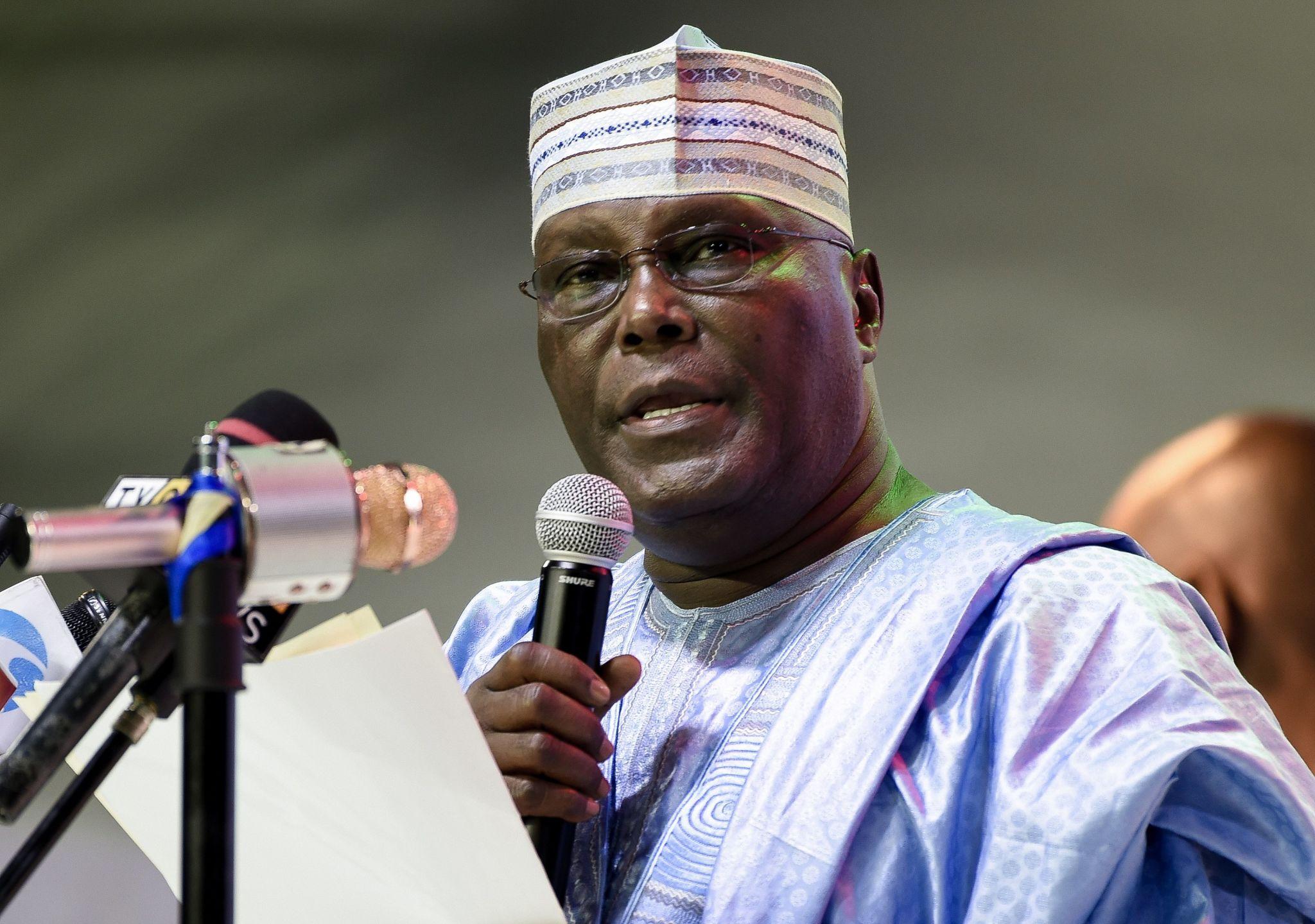
Former Vice President Atiku Abubakar has challenged All Progressives Congress (APC) National Chairman Nentawe Yilwatda to explain how the Federal Government disbursed a reported ₦750 billion in conditional cash transfers to more than 10 million vulnerable Nigerians, amid claims that some beneficiaries do not own mobile phones.
Atiku raised the question in his Independence Day address on Thursday, October 1, 2026, arguing that the government should provide verifiable records of the programme’s beneficiaries and payments.
Yilwatda had reportedly said more than 10 million vulnerable Nigerians benefited from the Federal Government’s conditional cash transfer programme, while noting that some recipients lacked mobile phones, television sets or access to social media.
Atiku questioned how the beneficiaries were identified, contacted and paid, particularly in areas affected by insecurity and limited access to communication services.
“Professor Yilwatda says many beneficiaries have no phones. So how did your government identify, contact and pay them?” Atiku asked, according to his published address.
He called on the government to disclose relevant payment records and explain the mechanisms used to deliver assistance to recipients.
Transparency and Social Protection
Conditional cash transfer programmes are intended to provide financial support to eligible households, particularly those facing poverty and economic vulnerability. Their effectiveness depends on reliable beneficiary identification, transparent payment systems and mechanisms to prevent fraud or exclusion.
Atiku’s questions centre on whether the government can demonstrate that the reported payments reached the intended recipients.
However, the absence of a mobile phone does not, by itself, establish that a beneficiary could not receive assistance. Verification would require details of the programme’s payment channels, beneficiary register, disbursement records and independent audit findings.
The Federal Government’s response and the underlying records would be necessary to establish how the reported transfers were made and whether the programme achieved its stated objectives.
The dispute has placed public spending, social welfare delivery and accountability at the centre of the political debate ahead of the 2027 general election.