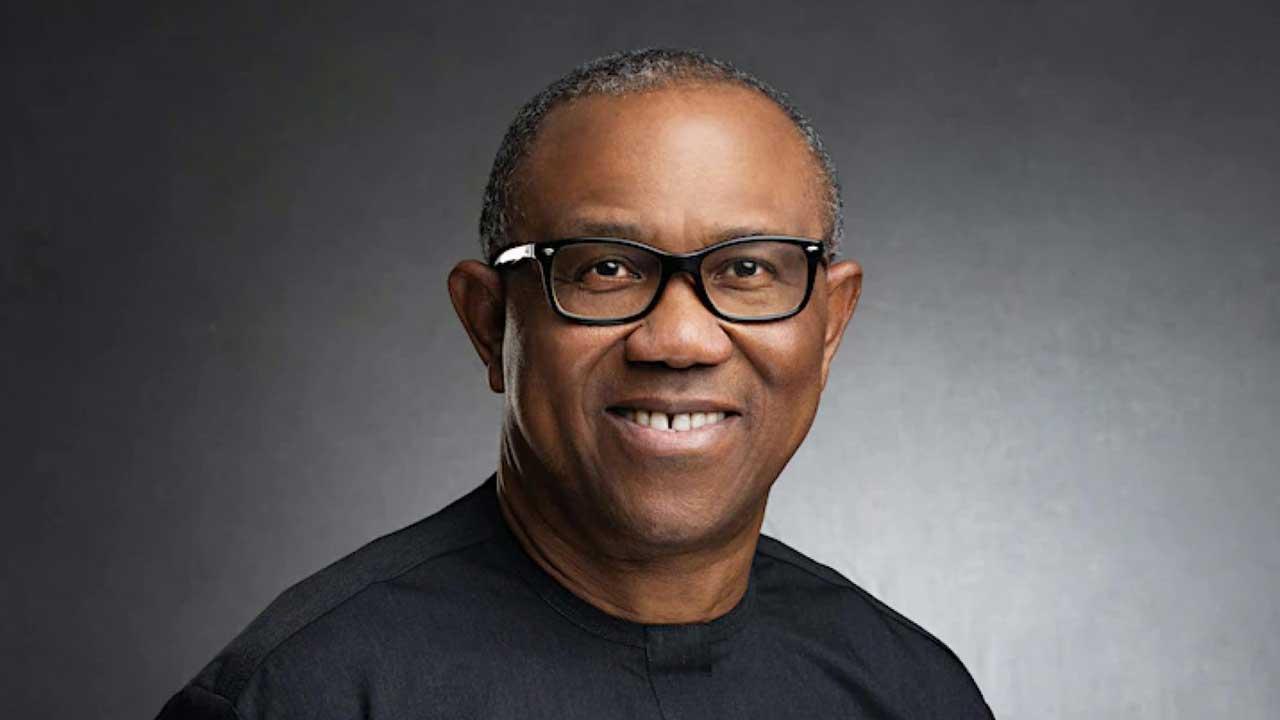
Peter Obi has said Nigeria’s central development challenge is not a lack of natural or economic resources, but the failure of successive governments to convert those resources into improved living standards, productive opportunities, security and shared prosperity.
Obi made the remarks in his Independence Day address on Thursday, October 1, 2026, as Nigeria marked 66 years of independence.
The presidential candidate of the Nigeria Democratic Congress (NDC) said the anniversary should provide an opportunity for Nigerians to reflect on the country’s progress, assess its current position and consider the direction of its future development.
He argued that the country’s substantial natural resources and human capital had not translated into the level of broad-based development many citizens expected.
Focus on Human Development
Obi’s comments centred on the relationship between national wealth and the everyday conditions experienced by citizens.
He said leaders should assess the country’s progress by examining whether government policies improve productivity, security, education, healthcare and economic opportunity.
The former Anambra State governor has frequently emphasised public-sector efficiency, productive investment and accountability in his political messaging.
His Independence Day statement places those themes within a wider discussion about Nigeria’s development priorities and the responsibilities of successive administrations.
A Debate Over National Progress
Nigeria’s development debate includes questions about infrastructure, public finance, employment, security, education and the effective use of public resources.
Obi’s remarks reflect his political assessment that resource abundance alone cannot guarantee prosperity without effective governance and policies that translate national assets into tangible benefits.
The statement adds to the competing political arguments being advanced ahead of the 2027 general election. Its claims about the country’s development record should be considered alongside relevant economic and social indicators rather than treated as a substitute for independent assessment.