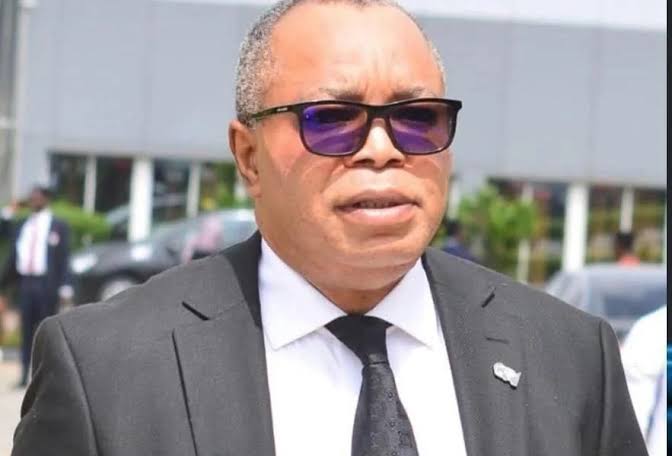
The governorship candidate of the African Democratic Congress (ADC) in Gombe State, Bala-Bello Tinka, has promised to provide free fuel to commercial motorcycle and tricycle operators if elected governor in the 2027 election.
Tinka made the pledge during an interview with a local radio station in Gombe on Thursday, October 1, presenting the proposed intervention as part of his plans to ease the financial pressure on transport operators following the removal of Nigeria’s petrol subsidy.
Candidate targets commercial transport operators
Commercial motorcycle operators, commonly known as okada riders, and tricycle operators, popularly called keke riders, provide transport services in many Nigerian communities.
Their operating expenses include fuel, vehicle maintenance, repairs and other daily costs. Changes in petrol prices can affect their earnings, the fares they charge and the income available to support their households.
Tinka’s proposal is intended to address fuel costs for these operators by providing fuel without charge under a programme that would be introduced if he wins the governorship election.
However, the details available in the reports do not establish the proposed scheme’s funding arrangements, eligibility requirements, volume of fuel available to each operator or the duration of the intervention.
Funding and implementation questions
A free-fuel programme would require a clear administrative framework, including an estimate of the number of eligible operators, the expected cost, the source of funding and arrangements for distribution.
The state would also need to establish how beneficiaries would be identified and how the programme would be monitored to ensure that the intended recipients receive the support.
These details are important for voters assessing how campaign promises could be translated into public programmes.
Election promise ahead of 2027
Tinka’s announcement adds to the policy proposals likely to feature in the Gombe governorship campaign.
The pledge remains a campaign commitment rather than an implemented government policy. Its eventual feasibility would depend on the candidate’s electoral success, available public resources and the terms of any programme developed after the election.
Further details from the ADC candidate about funding, eligibility and implementation would help voters understand how the proposal could work in practice.