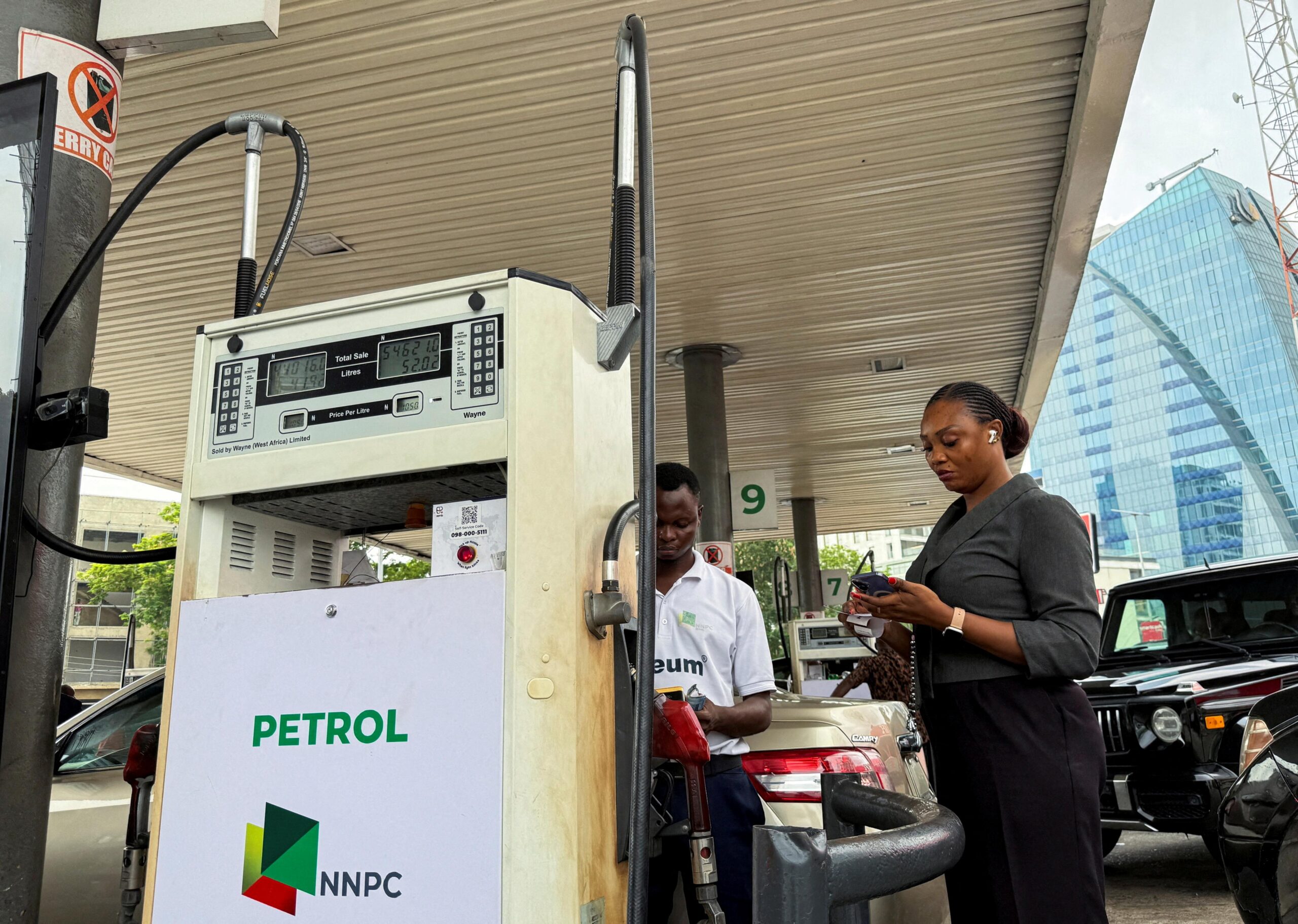
Petrol depot prices have risen across Lagos, Port Harcourt, Warri and Calabar, with several marketers in Port Harcourt increasing their rates to ₦1,900 per litre amid renewed volatility in the international oil market.
The latest increases, recorded on Friday, October 9, 2026, have raised concerns about further pressure on retail petrol prices, transportation costs and household spending, particularly as motorists continue to contend with elevated fuel prices.
According to market reports, NIPCO raised its depot price in Port Harcourt by ₦170 per litre, from ₦1,730 to ₦1,900. African Terminal, Ascon, Eterna, Gulf Treasure, Ibachem and Ibeto also increased their prices from ₦1,750 to ₦1,900 per litre.
Other operators, including Duport and Integrated, adjusted their prices to ₦1,806 per litre from ₦1,750.
Price increases spread to Lagos, Warri and Calabar
The upward movement was not limited to Port Harcourt.
In Lagos, Masters increased its depot price from ₦1,303 to ₦1,350 per litre, while Matrix raised its rate from ₦1,330 to ₦1,360. Sigmund and T.S.L moved their prices from ₦1,300 to ₦1,350, while NIPCO increased its rate from ₦1,326 to ₦1,350.
In Calabar, Matrix raised its price from ₦1,315 to ₦1,370 per litre.
In Warri, Keonamex, Matrix, Nepal and Parker increased their prices from ₦1,315 to ₦1,360, while Optima adjusted its rate from ₦1,330 to ₦1,360.
The increases highlight the varying cost of obtaining petrol across Nigeria’s downstream petroleum market, where depot prices can differ according to location, supply conditions and individual marketers’ pricing decisions.
Retail prices remain different across filling stations
Despite the depot increases, some filling stations in Lagos continued to sell petrol below the prices charged by certain independent retailers.
Market reports put NNPC Limited’s retail price at about ₦1,360 per litre in Lagos and surrounding areas. MRS Oil sold at approximately ₦1,338, while 11 Plc charged about ₦1,338.80. Some independent marketers sold petrol at prices ranging from ₦1,368 to ₦1,400 per litre.
The differences demonstrate that higher depot prices do not necessarily translate into identical pump prices across all outlets, as retailers may have different supply arrangements, existing stock and operating costs.
However, sustained increases in wholesale prices could put pressure on filling stations that replenish their supplies at higher rates, potentially leading to further retail adjustments.
Global oil market adds to uncertainty
The latest domestic price movements have coincided with elevated international oil prices and uncertainty over supply costs.
Brent crude traded above $104 per barrel in recent market reports, while other international benchmarks recorded mixed movements. These developments can influence the cost of petroleum products, although crude prices alone do not determine domestic pump prices.
Exchange-rate movements, product availability, freight and distribution expenses, and the pricing decisions of refiners and marketers also affect the downstream market.
For Nigerian households and businesses, the implications extend beyond the cost of filling a vehicle. Higher petrol prices can increase the cost of commercial transport, goods distribution and services, while businesses that depend on generators may face additional operating expenses.
The latest increases therefore place renewed attention on the relationship between depot pricing, retail competition and the government’s temporary petrol price-relief measures.
Whether the increases will lead to further pump-price adjustments will depend on subsequent supply costs, market conditions and the pricing decisions of individual operators.