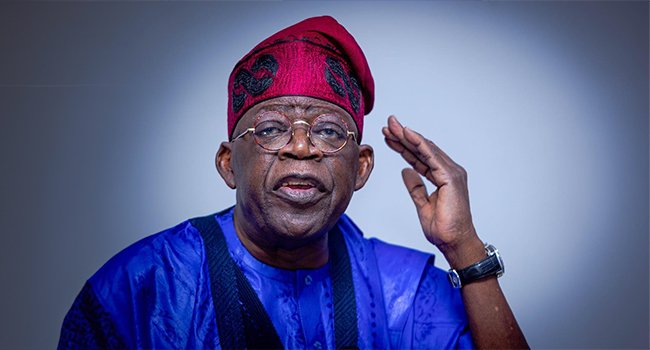
President Bola Ahmed Tinubu has acknowledged that the removal of petrol subsidy has imposed hardship on many Nigerian households, saying his administration is expanding alternative transportation services to help reduce the cost of commuting.
Tinubu made the remarks in a post on his verified X account on Sunday, October 11, 2026, highlighting the government’s efforts to expand access to buses, electric vehicles and compressed natural gas (CNG)-powered transport.
The President said subsidy removal carried a responsibility to provide practical alternatives for Nigerians struggling with high transportation costs.
His comments come as fuel prices and transport fares remain central concerns for households and businesses, with the cost of moving people and goods affecting spending across the wider economy.
Government promotes alternative transport
Tinubu said the Federal Government was working with state governments through the Nigeria Governors’ Forum and with private investors to expand the National Affordable CNG Transportation Programme.
The initiative is intended to make public transport more affordable by supporting the use of cheaper energy sources and expanding the availability of CNG-powered vehicles.
In an earlier update on the programme, the Presidency cited examples of CNG-powered and electric transport services operating at lower fares on selected routes, alongside efforts by several states to introduce or expand CNG bus services.
The broader policy is based on the argument that lower operating costs for transport providers can translate into lower fares for passengers.
However, the extent of the benefit will depend on the number of vehicles deployed, the availability of refuelling infrastructure, the routes covered and whether operators pass their cost savings on to commuters.
Subsidy removal and household pressure
The removal of petrol subsidy in May 2023 significantly changed the cost structure of Nigeria’s downstream petroleum market.
Higher petrol prices have contributed to increased transportation expenses and added pressure to the cost of distributing food and other goods.
For households that depend on commercial buses, taxis and other road transport services, changes in fares can affect access to employment, education, healthcare and essential services.
Tinubu’s latest comments acknowledge the difficulty of the transition while maintaining the administration’s preference for alternative transport support rather than a return to the previous general petrol subsidy arrangement.
Implementation will determine impact
The central question is whether the transport programme can deliver affordable and reliable services on a scale large enough to ease the burden on ordinary Nigerians.
Expanding CNG and electric transport requires investment in vehicles, charging or refuelling facilities, maintenance, safety standards and the training of operators.
Coordination between federal and state governments will also be necessary to identify priority routes and ensure that support reaches areas where transport costs place the greatest burden on residents.
While the President has outlined the direction of the initiative, its impact will ultimately be measured by the fares passengers pay, the routes served and the reliability of the services provided.