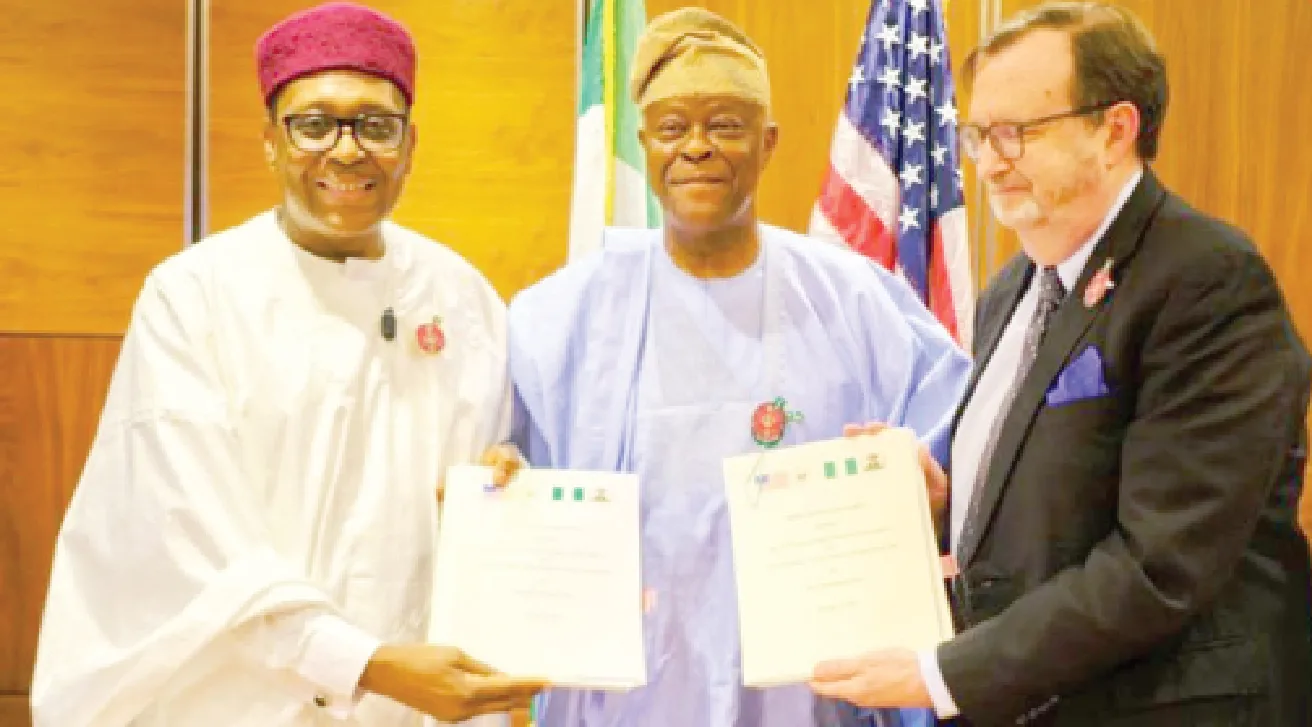
Nigeria’s reported $5 billion health agreement with the United States has come under renewed scrutiny following revelations that Ghana rejected a similar proposed arrangement over concerns about access to sensitive medical data, pathogen information and national regulatory authority.
Ghanaian President John Dramani Mahama said his government declined the proposed US health compact after reviewing provisions it considered problematic, including requirements relating to medical records and the country’s ability to regulate medicines and other health products.
Mahama’s explanation has intensified questions about the terms of Nigeria’s own health agreement with Washington, particularly provisions governing data sharing, the handling of biological specimens and the protection of national health interests.
A report published on October 12, 2026, said Nigeria’s memorandum of understanding with the United States requires the sharing of health-outcome data and specimens relating to emerging and novel infectious diseases. It also reported concerns among medical experts about provisions governing the continued use of previously shared data.
Why Ghana rejected the proposed agreement
Mahama said Ghana’s review identified concerns involving access to citizens’ medical records, pathogen profiles, counterpart funding and the inspection of medicines and other medical products.
The Ghanaian government concluded that the proposed arrangement raised questions about the protection of sensitive national information and the country’s authority over its health system.
The decision does not automatically establish that Nigeria’s agreement contains identical provisions or carries precisely the same risks. The two arrangements must be assessed against their respective terms.
Nevertheless, Ghana’s position has placed greater attention on how African governments negotiate international health partnerships and balance external funding with national sovereignty, data protection and regulatory independence.
Questions over Nigeria’s agreement
The reported $5 billion value of Nigeria’s agreement has drawn attention to the scale of the proposed cooperation and the obligations attached to it.
International health agreements can support disease surveillance, laboratory capacity, research, emergency preparedness and the delivery of essential health services. However, the benefits depend on the funding structure, implementation arrangements and safeguards governing sensitive information.
Questions about data ownership, consent, access, storage, permitted uses and the return or destruction of shared materials are particularly important when agreements involve human health records and biological specimens.
The reported concerns about continued use of data after termination also require careful examination of the agreement’s precise wording, including any limitations, oversight mechanisms and protections for Nigerian institutions and citizens.
Transparency will be central to public confidence
The Federal Government’s explanation of the agreement’s terms will be important in addressing public concerns.
A transparent assessment should clarify what information Nigeria is required to share, the purpose of the exchange, who may access it, what protections apply and how compliance will be monitored.
It should also explain the expected health benefits, funding commitments, accountability arrangements and whether Nigeria retains sufficient authority over its own public-health priorities.
The central issue is not simply whether international cooperation is desirable, but whether the terms deliver measurable benefits while adequately protecting Nigerians’ rights and national interests.