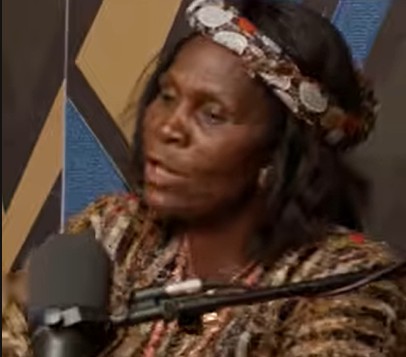
A woman who identifies with traditional gender roles has criticised feminism, describing it as a threat to younger generations and arguing that some contemporary feminist beliefs conflict with her understanding of marriage, motherhood and cultural values.
She made the remarks during a discussion on The Honest Bunch Podcast, produced by Glitch Africa Studios, where she questioned changing expectations around relationships, domestic responsibilities and women’s choices about childbirth.
“Feminism, honestly speaking, is destroying our generation. It has gotten into their head,” she said.
The woman argued that the movement had influenced how some younger women approach relationships and their expectations of men.
“This is not our culture, for goodness’ sake. We’ve imported demonic ideas,” she added, urging women who identify with feminism to reconsider their positions.
Her comments formed part of a broader discussion about the influence of modern social ideas on Nigerian relationships and family life.
Disagreement over marriage and domestic responsibilities
During the conversation, the woman criticised women who refuse to cook or wash for their partners, presenting these responsibilities as part of the expectations she associates with traditional relationships.
She also questioned women who challenge conventional expectations about childbirth and the roles of men and women within the family.
Her position reflects a traditional understanding of marriage in which domestic responsibilities and family obligations are often shaped by established gender expectations.
However, views on these responsibilities differ considerably among Nigerians. Some maintain that traditional arrangements provide stability and a clear division of duties, while others argue that household responsibilities should be negotiated according to the needs, preferences and circumstances of each couple.
Feminism itself encompasses a range of perspectives, including campaigns for equal legal rights, economic opportunities, personal autonomy and protection against gender-based discrimination. It does not represent a single position on marriage, motherhood or domestic work.
Debate over virginity and personal choices
The woman also defended traditional views on virginity, describing it as a source of pride. She said her husband was her first sexual partner and the father of her children.
Her remarks were made during a discussion with a younger woman who challenged her position, illustrating the generational and ideological differences surrounding sexuality, relationships and gender expectations.
The exchange has brought attention to continuing disagreements about how cultural traditions should influence private relationships and whether established gender roles should be maintained or reconsidered.
At the centre of the debate is a broader question about how Nigerian society can accommodate personal freedom, cultural identity, equality and differing expectations of family life.
While the woman’s comments represent her personal perspective, the discussion reflects the diversity of views among Nigerians on feminism and the changing dynamics of modern relationships.