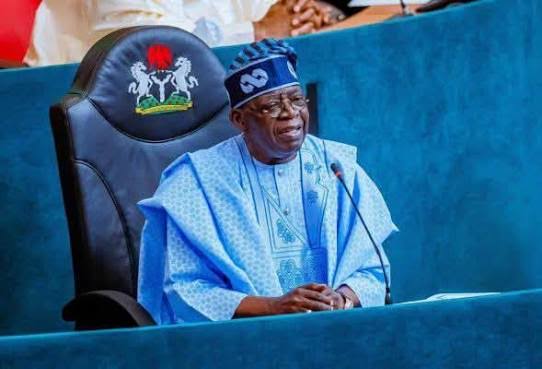
President Bola Tinubu has challenged politicians seeking to succeed him to explain how they intend to finance their campaign promises, arguing that ambitious policy proposals must be backed by credible funding arrangements and practical implementation plans.
In a post on his verified X account, according to the supplied report, Tinubu warned that promises made without clear financial backing could create additional pressure on public finances and impose costs on future generations.
His comments bring economic management and the affordability of campaign proposals into focus as political parties begin preparing for the 2027 general election.
Debate over the cost of political promises
Campaigns frequently feature commitments to improve public services, create jobs, reduce living costs, expand infrastructure and strengthen social protection.
Delivering those promises, however, requires revenue, sound budgeting and decisions about how limited public resources should be allocated.
Tinubu’s challenge asks opposition politicians, including former Vice-President Atiku Abubakar and former Anambra State governor Peter Obi, to explain the financial assumptions behind their proposed policies.
A credible funding plan would ordinarily identify expected revenue sources, projected expenditure, implementation timelines and the implications for borrowing, taxation and existing public services.
Such information would allow voters to compare competing proposals on more than their political appeal.
Economic reforms remain central to the debate
Tinubu’s administration has defended its economic reforms as necessary to address structural weaknesses in public finances and the wider economy.
The removal of the petrol subsidy and changes to foreign-exchange management have been among the most significant measures introduced since he took office.
However, the policies have also generated criticism over their effects on transportation, food prices, household purchasing power and business operating costs.
Opposition politicians have argued that the government must do more to address the hardship experienced by ordinary Nigerians, while supporters of the reforms have stressed the need for long-term economic adjustments.
Voters need measurable commitments
Tinubu’s challenge also raises a question that applies to every presidential candidate: how will proposed policies be financed, implemented and evaluated?
Campaign promises are more useful to voters when they include measurable targets, realistic timelines and clear explanations of the trade-offs involved.
Candidates should also explain how their programmes would affect public debt, government revenue, employment, inflation and the delivery of essential services.
As the 2027 election approaches, the debate over campaign financing and economic policy is likely to become increasingly important.
The ultimate test for all candidates will be whether their proposals are financially credible and capable of delivering measurable improvements in Nigerians’ lives.