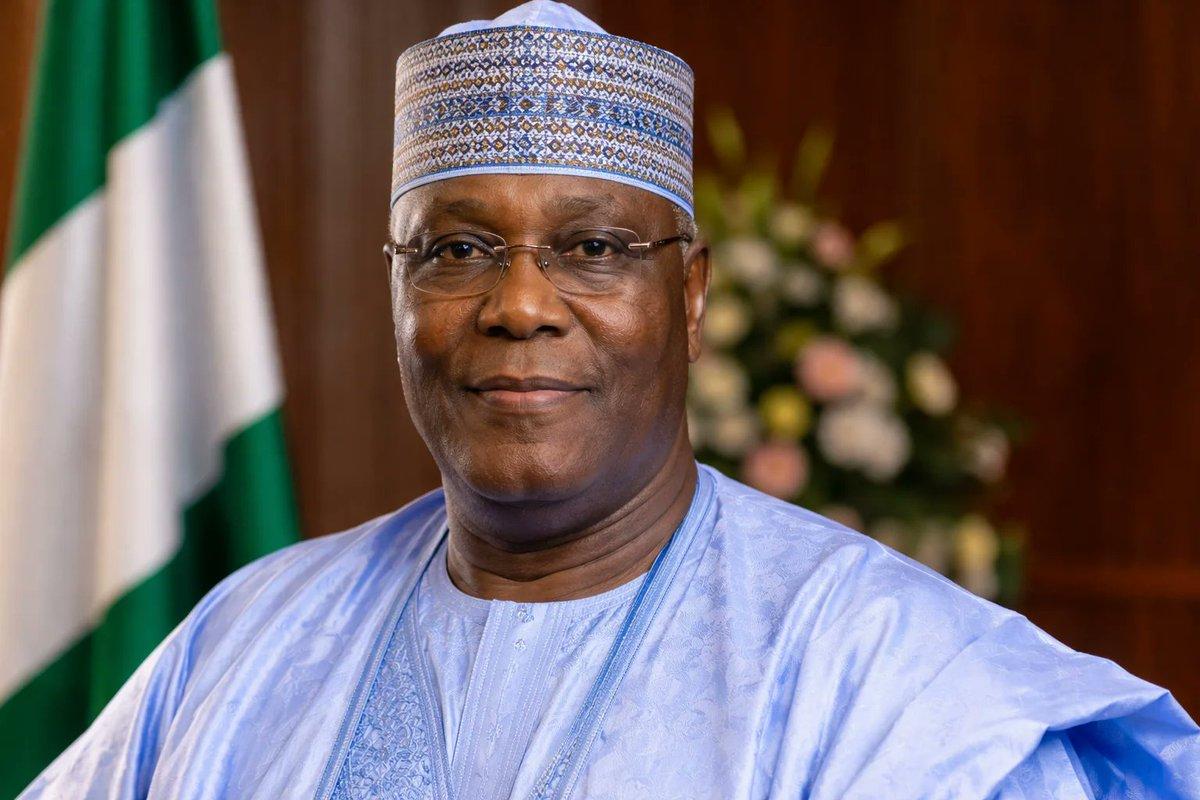
The former vice-president cites rising living costs, insecurity and the struggles of families as he calls on registered voters to prepare for the next general election.
Former Vice-President Atiku Abubakar has urged registered voters across Nigeria to collect their Permanent Voter Cards (PVCs) ahead of the 2027 general elections, describing the cards as an important instrument for citizens seeking political change through the ballot box.
Atiku made the appeal in a message shared on his X account on Wednesday, October 14, 2026, in which he highlighted the economic difficulties and security concerns confronting households across the country.
The former vice-president said parents were struggling to provide food for their children, while pensioners faced difficult decisions about meeting basic needs, including purchasing medicines and food.
He also drew attention to the financial pressures confronting young Nigerians, arguing that transportation, rent and other essential expenses consumed much of their earnings.
Atiku further raised concerns about insecurity, including kidnappings and attacks that have left families fearful for their safety.
He urged Nigerians of different ages and backgrounds to collect their PVCs and participate in the electoral process.
“If you are a registered voter, please go and collect your PVC. Hold on to it. It is your voice, your choice and your peaceful power to demand change,” he said.
Atiku also pledged to make life more affordable and restore security if elected president in 2027, presenting the next election as an opportunity for voters to assess the country’s direction.
Election preparedness and public accountability
The appeal comes as political parties and prospective candidates intensify preparations for the 2027 elections. PVC collection and voter participation remain important parts of electoral preparedness, particularly for registered citizens who have yet to obtain their cards.
Atiku’s remarks also place economic hardship and insecurity at the centre of the emerging political debate. These issues are likely to feature prominently as candidates seek to convince voters that their proposed policies can improve living standards and public safety.
However, the former vice-president’s promises represent his political position and prospective policy commitments. Their feasibility will depend on the proposals, resources and implementation plans presented to voters.
Ultimately, the election will provide Nigerians with an opportunity to assess competing candidates and decide who should lead the country for the next presidential term.