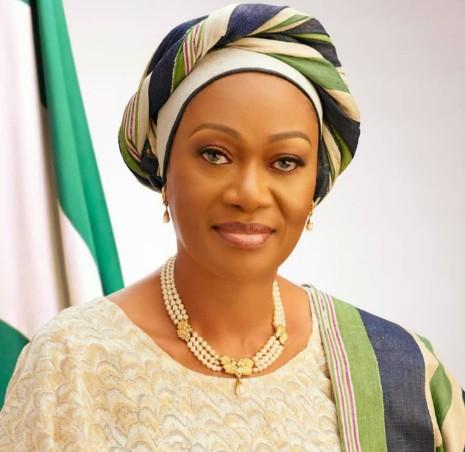
The First Lady urges traditional institutions to translate their influence into practical measures promoting gender equality, economic opportunity and sustainable community development.
Nigeria’s First Lady, Senator Oluremi Tinubu, has called for concrete measures to improve the welfare of rural women, urging traditional institutions and community leaders to expand opportunities for their economic and social advancement.
She made the call on Wednesday, October 14, 2026, at a symposium in Abuja organised by the Association of Wives of FCT Traditional Rulers (WOFCTTRA) to commemorate the 2026 International Day of Rural Women.
The event was organised in collaboration with the Federal Capital Territory Women Affairs Secretariat under the theme, “Harnessing the Influence of Wives of Traditional Rulers to Advance Gender Equity, Peacebuilding, and Sustainable Community Development in Rural Communities of FCT.”
Represented by Hilmary Aipoh, a former All Progressives Congress women leader in the FCT, the First Lady commended rural women for their resilience and contributions to families, local economies and national development.
She urged members of WOFCTTRA to use their positions and community influence to promote practical initiatives that improve women’s access to opportunities and strengthen their participation in development.
Beyond recognition to practical action
Oluremi Tinubu stressed that acknowledging the contributions of rural women must go beyond speeches and symbolic recognition.
She called for more inclusive policies and practical interventions to address the barriers that continue to limit women’s access to education, healthcare, finance, land ownership and decision-making.
The First Lady’s message also highlighted the role traditional institutions can play in promoting gender equity, peacebuilding and sustainable community development.
Traditional rulers and their families often maintain close relationships with rural communities, giving them opportunities to identify local needs, encourage participation and help connect residents with public programmes.
WOFCTTRA’s role in mobilising these networks could therefore be important in ensuring that rural women’s concerns reach the relevant authorities.
Addressing the rural development gap
Women in rural communities contribute substantially to agriculture, small businesses, family welfare and local economic activity. However, limited infrastructure, access to finance and essential services can restrict their ability to expand those contributions.
Improving rural women’s welfare requires coordinated action involving government agencies, traditional institutions, development partners and community organisations.
Measures such as improved healthcare access, vocational training, financial inclusion, protection against gender-based violence and greater participation in local decision-making can help create more sustainable opportunities.
The symposium provided a platform to discuss how traditional institutions could contribute to these efforts.
The central challenge remains translating commitments into programmes with measurable results for women and their communities.