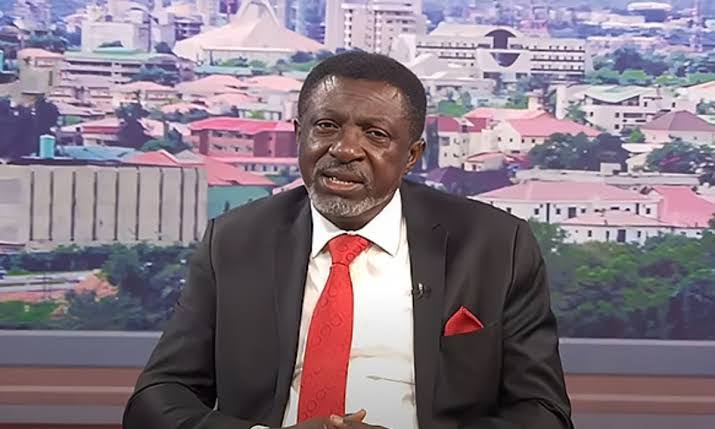
Ibe argues that attempted suicide should be addressed as a public health and mental health issue, as the Senate considers legislation proposing treatment and rehabilitation instead of criminal punishment.
Paul Ibe, media adviser to former Vice-President Atiku Abubakar, has criticised Senate President Godswill Akpabio over remarks made during debate on the Suicide Prevention Bill 2026, calling for a more compassionate approach to people experiencing suicidal distress.
In a statement posted on Wednesday, Ibe argued that suicide and attempted suicide should be treated primarily as public health and mental health concerns rather than approached through criminal punishment.
His response followed a Senate debate in which Akpabio opposed the proposed decriminalisation of attempted suicide, maintaining that the act should remain punishable under the law.
During the debate, Akpabio said: “If you attempt it and don’t succeed, we will jail you.”
The Senate President’s comments drew criticism from advocates of the proposed legislation, who argue that criminal penalties can discourage people in crisis from seeking help.
Ibe calls for a public health approach
Ibe said discussions about suicide prevention should recognise the complex circumstances that can contribute to suicidal distress, including psychological suffering, social pressures and economic hardship.
He argued that people experiencing suicidal thoughts need access to professional mental health services, compassionate support and appropriate interventions rather than threats of imprisonment.
The media adviser also warned that criminalising attempted suicide could discourage survivors and their families from reporting incidents or seeking timely medical assistance.
He urged the Senate to focus on expanding access to mental health services and strengthening support systems for people at risk.
Ibe further called on Akpabio to apologise to Nigerians, particularly people living with mental health challenges and families affected by suicide.
What the proposed bill seeks to change
The Suicide Prevention Bill 2026 seeks to establish a national framework for prevention, treatment and rehabilitation while removing criminal penalties for attempted suicide.
Its sponsor, Senator Asuquo Ekpenyong, has argued that existing legal provisions are inconsistent because the National Mental Health Act recognises attempted suicide as a psychiatric emergency, while other laws continue to criminalise the act.
The bill proposes replacing punishment with measures such as assessment, referral, treatment and follow-up support.
It also envisages public education, crisis-response mechanisms and training for professionals who may encounter people experiencing suicidal distress.
The Senate passed the bill for second reading on October 13, allowing it to proceed to further legislative consideration. Akpabio’s opposition does not mean the bill has been rejected by the chamber.
The wider mental health challenge
The debate raises questions about how Nigeria balances existing criminal laws with the need to protect people experiencing mental health crises.
Public health advocates generally emphasise early intervention, access to care and the reduction of stigma as important elements of suicide prevention.
The next stages of the legislative process will determine whether lawmakers amend the current legal framework and what safeguards or services may accompany any change.