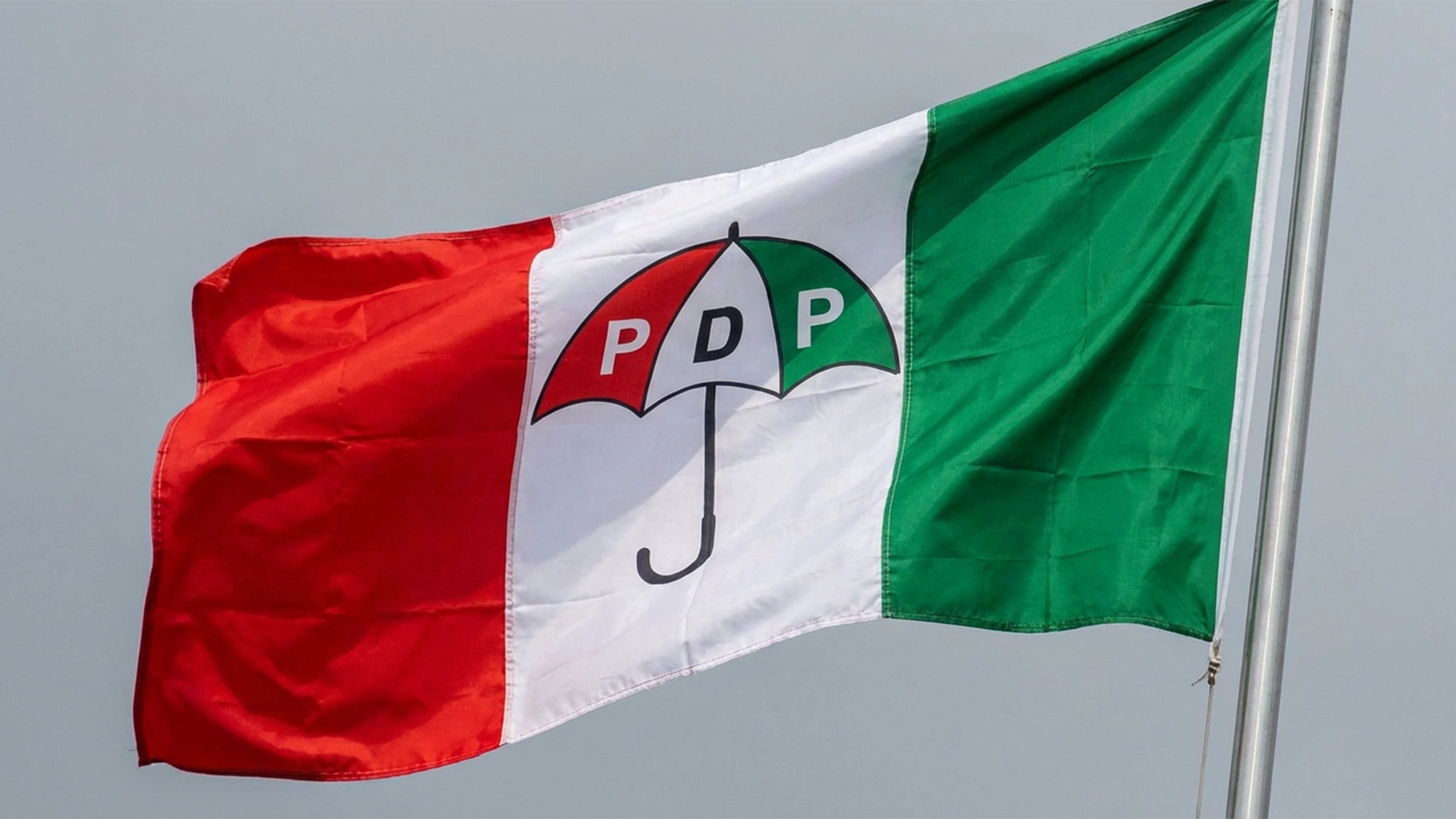
Topa Olusegun Peter says he participated in the party’s May primary and argues that he should be recognised as its duly nominated candidate.
A governorship aspirant of the Peoples Democratic Party (PDP) in Ogun State, Topa Olusegun Peter, has given the Independent National Electoral Commission (INEC) 48 hours to publish his name as the party’s duly nominated candidate for the 2027 governorship election.
In a letter dated October 14, 2026, and addressed to the INEC chairman through his lawyer, Anderson Asemota of Neplus Ultra Attorneys, Peter demanded that the commission recognise his claimed nomination and include his name in the relevant candidate list.
According to the letter, Peter obtained the PDP expression-of-interest and nomination forms on May 12, 2026, and participated in the party’s governorship primary held on May 27.
He argued that he had fulfilled the requirements necessary for recognition as the party’s candidate and invoked Section 77 of the Electoral Act 2026 in support of his demand.
Aspirant threatens legal action
Peter warned that he would pursue legal remedies if INEC failed to address his complaint within the stipulated 48-hour period.
His demand places the spotlight on the nomination process within the Ogun PDP chapter and the procedures through which the electoral commission determines which candidates qualify for inclusion on its official lists.
Candidate disputes can involve questions relating to party primaries, membership records, nomination documentation and compliance with electoral legislation.
However, Peter’s demand and account of the primary process do not, by themselves, establish that INEC is legally required to publish his name. That determination depends on the relevant records, statutory requirements and any applicable judicial decisions.
INEC’s position remains important
The commission’s response will be central to resolving the dispute, including whether it recognises Peter’s nomination and whether any legal or procedural issues affect his request.
The controversy comes as political parties and aspirants prepare for the 2027 general elections, when compliance with nomination rules is expected to attract increased scrutiny.
Any eventual court action could clarify the rights of the parties involved and the legal basis for the inclusion or exclusion of a candidate.