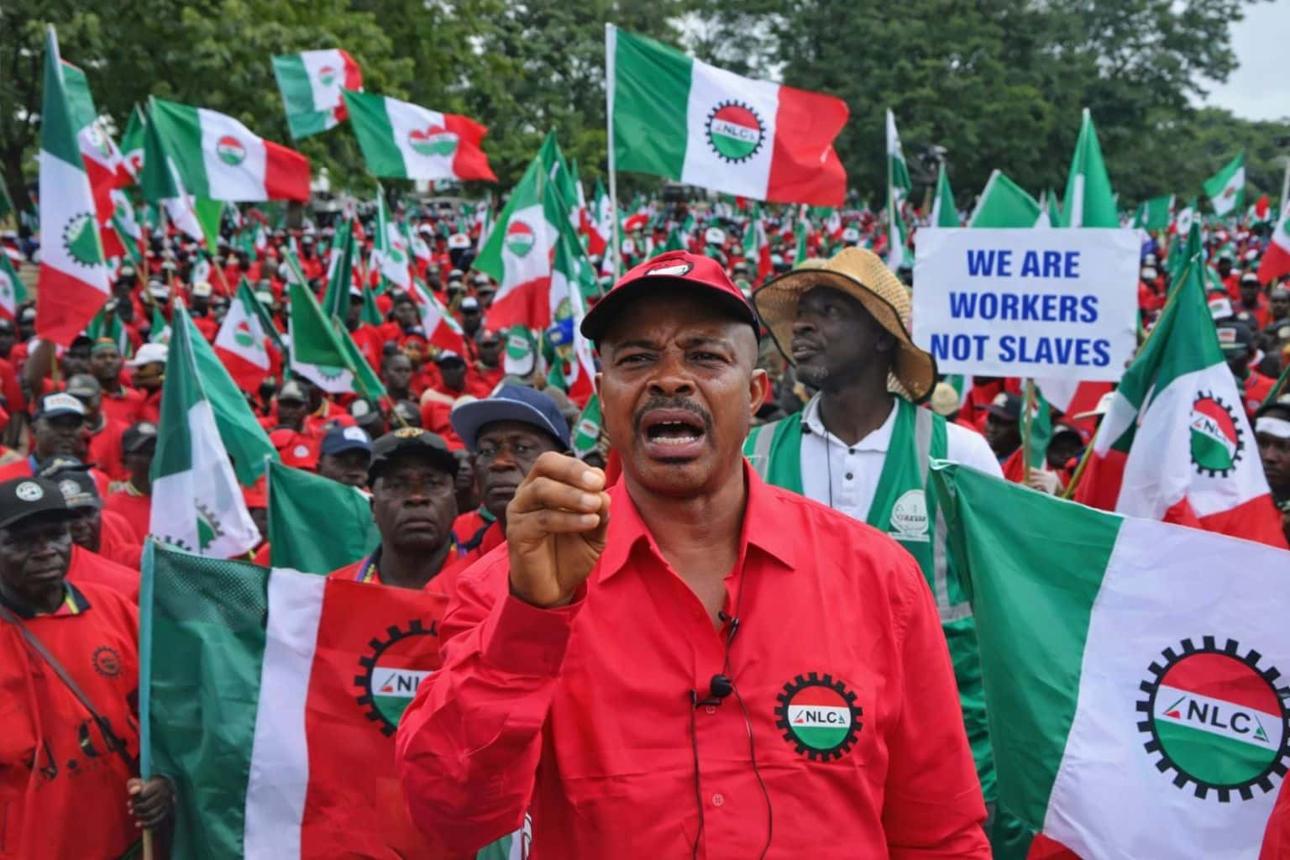
The Federal Government and the Nigeria Labour Congress (NLC) have disagreed over when negotiations for a new national minimum wage should begin, raising fresh questions about the timing of the next wage-review process.
The disagreement followed an exchange of letters between the Minister of Labour and Employment, Dr Muhammad Maigari Dingyadi, and NLC President Joe Ajaero over the union’s demand for the immediate constitution of a National Minimum Wage Tripartite Committee.
The current national minimum wage of ₦70,000 was signed into law by President Bola Tinubu on July 29, 2024.
Dingyadi has maintained that beginning a fresh review process before the legally prescribed date would be premature. In a letter dated October 13, 2026, he argued that the existing wage arrangement would become due for review on June 1, 2027.
The NLC, however, insists that negotiations should begin at least six months before the relevant deadline to prevent delays and the accumulation of wage arrears.
The union’s position reflects concerns about workers’ purchasing power amid economic pressures, including the rising costs of food, transportation, housing and other essential goods and services.
Organised labour has repeatedly called for measures to improve workers’ welfare and ensure that wage arrangements keep pace with prevailing economic conditions.
The disagreement places the timing of the next minimum wage negotiations at the centre of renewed labour-relations discussions.
Any new wage agreement would require negotiations involving the relevant government representatives, employers and organised labour under the applicable legal framework.
The immediate dispute concerns when the formal review process should begin, rather than an already agreed figure for a new national minimum wage.
The outcome could have significant implications for millions of Nigerian workers and employers as the country approaches the next wage-review period.