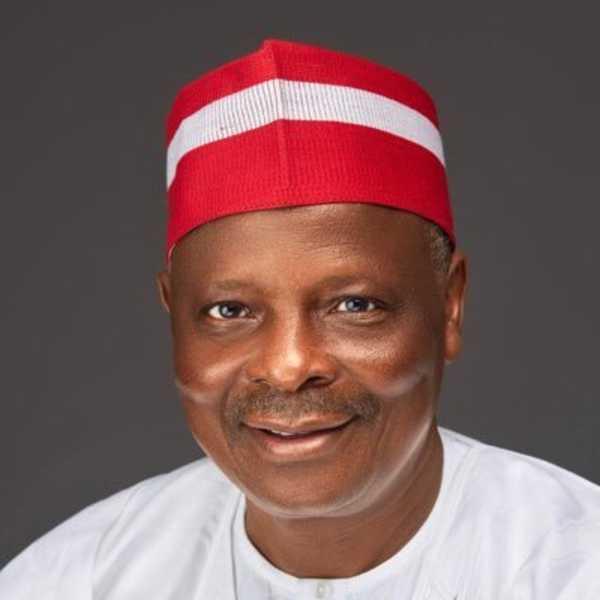
The vice-presidential candidate of the Nigeria Democratic Congress (NDC), Senator Rabiu Musa Kwankwaso, has said the party’s coalition is prepared to consider restoring fuel subsidies as part of efforts to reduce petrol prices and ease the economic burden on Nigerians if it wins the 2027 presidential election.
Kwankwaso disclosed the position during an appearance on Channels Television’s Politics Today, explaining that the coalition had discussed possible measures to address high energy costs and the wider economic pressures facing households and businesses.
He said the coalition, which includes presidential candidate Peter Obi and party leader Senator Henry Seriake Dickson, had agreed to consider various options for reducing the cost of energy.
“Our collective position now is that the price of energy in this country is too high,” Kwankwaso said, adding that the coalition would consider measures including fuel subsidies to bring petrol prices down.
His remarks signal a willingness by the opposition coalition to revisit a major component of Nigeria’s petroleum pricing policy, which has remained contentious since President Bola Tinubu announced the removal of the petrol subsidy in May 2023.
The policy change significantly altered the cost of fuel, with the resulting price increases contributing to public debate over inflation, transportation costs and household purchasing power.
Supporters of subsidy removal have argued that eliminating the government’s direct price support could reduce fiscal pressures and free resources for other priorities. Critics, however, have called for stronger relief measures and questioned whether the benefits of the policy have sufficiently offset the hardship experienced by ordinary Nigerians.
Kwankwaso’s statement suggests that the NDC coalition is considering a different approach to managing fuel costs if elected.
However, the remarks do not yet establish the precise design of a proposed subsidy arrangement, how it would be financed or what safeguards would be introduced to prevent fraud and excessive public expenditure.
Those details would be central to assessing the feasibility and likely economic impact of the coalition’s proposal.