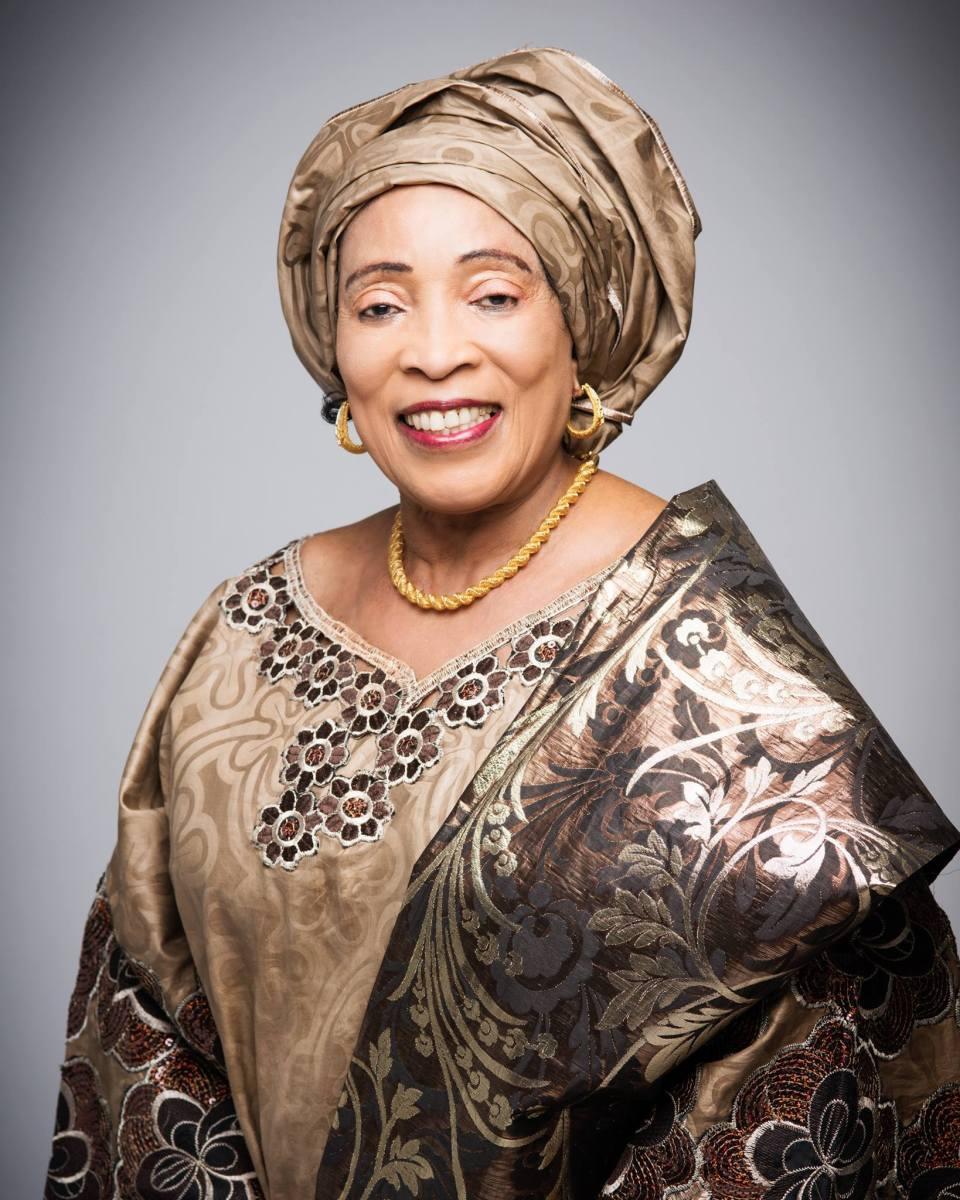
Titi Atiku Abubakar, wife of former Vice-President Atiku Abubakar and chairperson of the Board of Trustees of the Network Against Child Trafficking, Abuse and Labour (NACTAL), has raised concerns about the situation of Nigerian girls abroad, calling for stronger efforts to address human trafficking and protect vulnerable people.
She made the remarks on Thursday, October 15, 2026, in Abuja during the presentation of NACTAL’s review of the 2025 Trafficking in Persons Report released by the United States Department of State.
Speaking about the role of international partners in supporting anti-trafficking initiatives in Nigeria, Titi said some partners wanted Nigerian girls to remain in their home country rather than migrate abroad and become a burden on host communities.
“Nuisance” was the term she used to describe the concern over Nigerian girls in overseas countries.
Her comments came during a broader discussion about international support for efforts to combat human trafficking, abuse and child labour.
She said international partners were supporting Nigeria’s anti-trafficking work and assisting vulnerable girls, adding that stronger cooperation was necessary to address the problem.
Titi also called for greater collaboration among civil society organisations, arguing that no single organisation could tackle human trafficking and related abuses without the involvement of other stakeholders.
She noted that NACTAL worked with hundreds of civil society organisations involved in combating trafficking and supporting affected people.
The meeting also examined the findings of the 2025 US Trafficking in Persons Report, with NACTAL representatives arguing that the contributions of the Nigerian government, development partners and civil society groups were not adequately reflected in the report.
The organisation’s representatives said international partners had supported policy development, assistance for victims and improvements to shelters operated by civil society groups and the National Agency for the Prohibition of Trafficking in Persons (NAPTIP).
However, they acknowledged that Nigeria continued to face challenges in implementing anti-trafficking policies, including inadequate funding, weak political commitment and shortcomings in the prosecution of cases.
They called for increased government funding, stronger enforcement of existing laws and an environment in which civil society organisations and development partners could continue their work.
Human trafficking remains a serious protection concern, particularly for women, girls and other vulnerable groups exposed to exploitation during migration.
Addressing the issue requires coordinated action against traffickers, effective protection for survivors, access to rehabilitation services and policies that expand safe economic and educational opportunities.
Titi’s remarks have drawn attention to the difficult balance between addressing exploitation abroad and ensuring that public discussion does not stigmatise Nigerian girls who migrate for legitimate reasons.