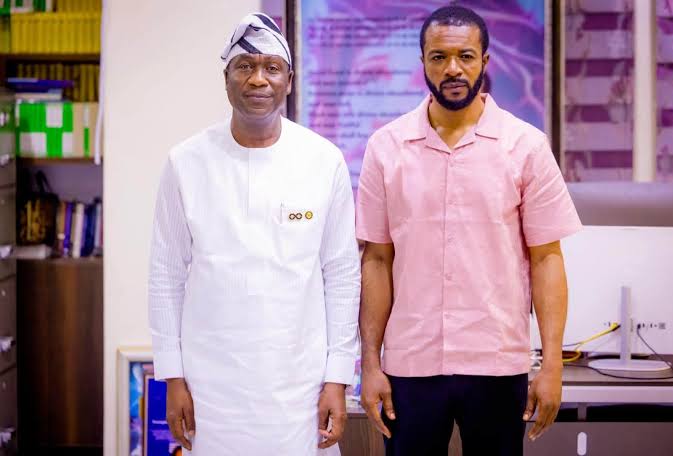
Evangelist Ebuka Obi has reportedly expressed support for Lagos State Deputy Governor Obafemi Hamzat’s governorship ambition while urging him not to demolish businesses belonging to Igbo traders if he emerges victorious in the next election.
The remarks were attributed to the evangelist during a reported visit by Hamzat to his ministry. According to the account circulating online, Obi said he had prayed for the deputy governor and believed he would emerge victorious in the forthcoming governorship election.
He also reportedly cautioned Hamzat against actions that could affect Igbo-owned businesses in Lagos.
“I have prayed for Lagos Deputy Governor, and he will emerge victorious in next year’s governorship election. However, I have already told him not to demolish Igbo people’s businesses,” the statement attributed to Obi read.
The reported comments place the treatment of traders and business owners within the wider conversation surrounding political leadership, urban development and the protection of livelihoods in Lagos.
Businesses and Urban Development
Lagos is home to traders and entrepreneurs from different parts of Nigeria, including a substantial population of Igbo business owners operating across retail, wholesale, manufacturing and other commercial sectors.
Questions surrounding demolitions, enforcement of planning regulations, market redevelopment and the relocation of businesses can have significant economic and social consequences.
When commercial premises are demolished or traders are displaced, affected businesses may face losses involving stock, equipment, customer access and employment.
At the same time, governments have responsibilities relating to urban planning, public safety, environmental standards and the enforcement of applicable laws.
The central issue is therefore how development and regulatory decisions are implemented, whether affected parties receive due process and what measures are available to protect legitimate livelihoods.
Political Implications
Hamzat’s reported governorship ambition comes amid political preparations for the next Lagos State election.
Statements from religious leaders can attract attention during election periods because of their influence within communities and their ability to bring public issues into political discussions.
However, the remarks attributed to Obi should not be interpreted as confirmation of an election outcome or as an official policy commitment by Hamzat.
The reported exchange also does not establish that Hamzat has announced any plan to demolish Igbo-owned businesses.
Further confirmation of the original remarks and the deputy governor’s response would help clarify the context of the encounter.