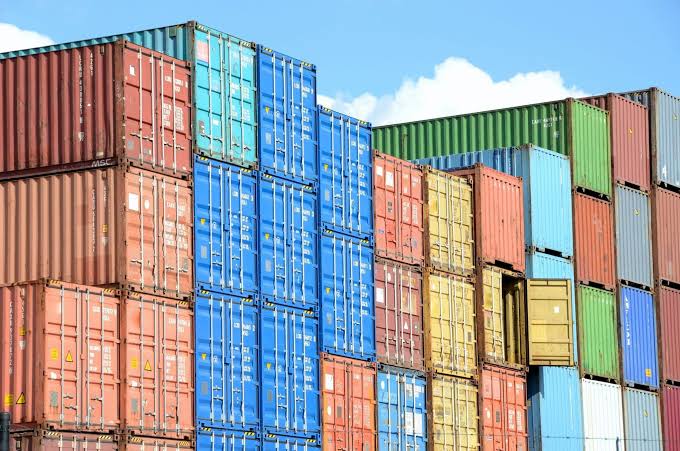
President Bola Ahmed Tinubu has directed the clearance and release of more than 300 containers of electricity equipment stranded at Nigerian ports, with some reportedly abandoned for as long as 20 years.
The directive is part of the Federal Government’s efforts to strengthen the country’s electricity infrastructure and address longstanding challenges affecting power transmission and distribution.
The development was disclosed by the Minister of Power, Joseph Olasunkanmi Tegbe, following a Federal Executive Council meeting presided over by Tinubu in Abuja.
Tegbe said the government had initiated measures to address problems within the power sector, including the clearance of stranded equipment and efforts to improve the country’s electricity transmission capacity.
According to the minister, the equipment in the containers will be examined by technical experts to determine its condition and suitability for use.
Items found to be functional and compatible with the electricity network could be deployed to support infrastructure development, while obsolete or unusable equipment would be disposed of appropriately.
The government is also working with relevant agencies, including the Nigerian Ports Authority and the Nigeria Customs Service, to facilitate the clearance process.
The directive comes as Nigeria continues to grapple with persistent electricity supply challenges, ageing transmission infrastructure and limitations in its ability to deliver available power to consumers.
Although generation capacity remains an important part of the electricity supply chain, transmission constraints and infrastructure deficiencies can prevent available electricity from reaching homes, businesses and industries reliably.
Clearing the stranded containers could provide access to equipment that may help support network rehabilitation. However, the extent of the potential benefits will depend on the condition, technical specifications and suitability of the items for current infrastructure needs.
The government has also announced wider plans to strengthen the transmission network, including proposed East and West Super Grid projects intended to increase transmission capacity substantially over the coming years.
The power minister said the administration was pursuing interventions aimed at improving grid stability, addressing outstanding sector debts and upgrading ageing infrastructure.
The clearance directive therefore forms part of a broader effort to address longstanding weaknesses in Nigeria’s electricity system.
Nevertheless, the existence of equipment that has remained stranded at ports for years raises questions about procurement planning, port charges, administrative delays and coordination among government agencies.
Establishing how the equipment became stranded, whether it remains usable and what it will cost to clear and deploy it will be important to assessing the initiative’s overall value.
For consumers and businesses, the ultimate measure of success will be whether the intervention contributes to more reliable electricity supply, improved transmission performance and reduced disruptions.