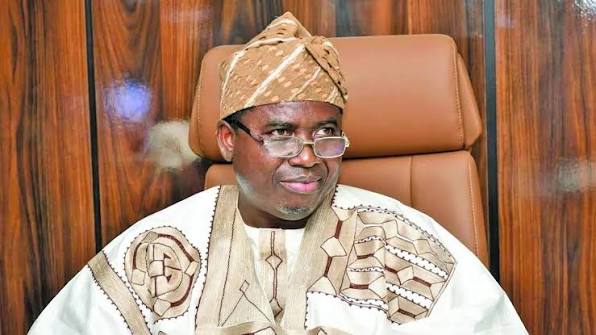
Chairman of the Independent National Electoral Commission (INEC), Prof. Joash Amupitan (SAN), has disclosed that conducting a governorship election costs more than holding the presidential and National Assembly elections combined, urging the Revenue Mobilisation Allocation and Fiscal Commission (RMAFC) to guarantee increased and predictable funding ahead of the 2027 general elections.
With preparations for the 2027 general elections already underway, the Independent National Electoral Commission has raised fresh concerns over the financial demands of conducting credible elections in Nigeria.
INEC Chairman, Prof. Joash Amupitan, said the commission requires stronger and more predictable funding to effectively discharge its constitutional responsibilities, revealing that governorship elections alone consume more resources than the combined presidential and National Assembly polls.
Speaking during a courtesy visit to the Chairman of the Revenue Mobilisation Allocation and Fiscal Commission in Abuja, Amupitan explained that governorship elections are conducted separately across the 36 states and the Federal Capital Territory, requiring extensive deployment of personnel, logistics, election materials and security.
According to him, the complexity of organising multiple state-level elections simultaneously significantly increases operational costs, making them more expensive than many Nigerians assume.
Beyond requesting more money, the INEC chairman stressed the need for predictable and sustained funding.
He noted that timely releases would enable the commission to procure election materials earlier, improve planning, strengthen voter education, deploy technology more efficiently and avoid last-minute logistical challenges that have affected previous elections.
Amupitan also expressed concern over the growing loss of experienced personnel, warning that inadequate remuneration has contributed to staff departures at a time when institutional experience is needed most.
He appealed for improved welfare packages, saying retaining skilled personnel would strengthen the commission’s preparedness for future elections.
With political parties already intensifying preparations for the next general election, the electoral commission says adequate funding will remain critical to delivering credible, transparent and efficient polls.
The appeal comes as stakeholders continue discussions on electoral reforms, technology deployment and measures aimed at improving public confidence in Nigeria’s electoral process.
As the countdown to 2027 continues, INEC’s latest warning highlights the enormous financial and operational demands of managing elections in Africa’s most populous country. Whether the commission receives the level of funding it is requesting may significantly influence its readiness for the next electoral cycle.