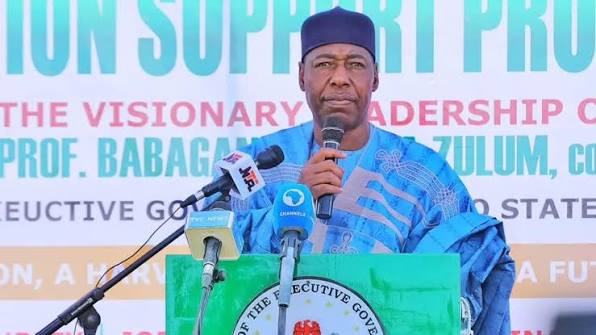
Bauchi State Governor Bala Mohammed has urged the Federal Government to integrate Arabic education into Nigeria’s mainstream education system, arguing that graduates of Arabic-speaking universities should enjoy the same recognition and employment opportunities as graduates from English-language institutions. He said doing so would promote educational inclusion, national unity and equal access to public service opportunities.
Governor Bala Mohammed has advocated for the formal integration of Arabic education into Nigeria’s national curriculum, saying the country must eliminate disparities affecting graduates of Arabic institutions.
Speaking at a public event in Bauchi, the governor argued that many Nigerians who obtained degrees from recognised Arabic-speaking universities continue to face unnecessary challenges in employment and academic recognition despite possessing internationally accepted qualifications.
Mohammed maintained that graduates of accredited Arabic universities should enjoy the same treatment as graduates from institutions where English is the language of instruction.
According to him, educational qualifications should be assessed on their academic merit rather than the language in which they were obtained.
He said integrating Arabic studies more fully into Nigeria’s education framework would expand opportunities for thousands of qualified graduates.
The governor stressed that Arabic education has long been part of Nigeria’s educational landscape, particularly through institutions recognised by the National Board for Arabic and Islamic Studies (NBAIS).
He urged policymakers to review existing policies to ensure Arabic-trained professionals are not disadvantaged when seeking employment or admission into higher institutions.
Mohammed argued that recognising Arabic education more broadly would strengthen national integration by acknowledging Nigeria’s linguistic, cultural and religious diversity.
He added that educational reforms should focus on creating equal opportunities for all qualified citizens regardless of the language through which they acquired their education.
The governor’s proposal is expected to generate debate among education stakeholders as discussions continue over curriculum reforms and the recognition of qualifications issued by Arabic-speaking institutions. Supporters say the move would promote inclusion, while any policy change would ultimately require federal approval and implementation through the education system.