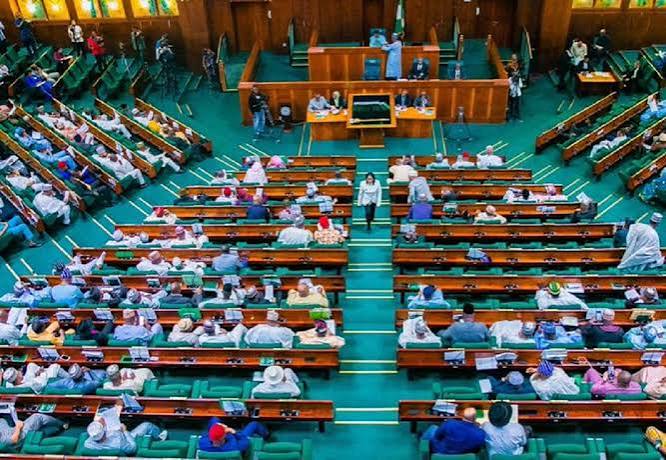
The House of Representatives has passed the Executive Bill seeking to establish state police, bringing Nigeria a step closer to adopting a decentralised policing system aimed at addressing the country’s security challenges.
The House of Representatives on Thursday passed the Executive Bill on the establishment of state police, marking another significant milestone in the ongoing constitutional reforms aimed at restructuring Nigeria’s security architecture.
The bill was approved during plenary after lawmakers adopted the report of the House Committee on Constitution Review. The development follows the Senate’s earlier passage of a similar bill, bringing the proposed legislation closer to becoming law.
Tinubu’s Executive Bill Replaces Earlier Proposal
President Bola Ahmed Tinubu transmitted the Executive Bill to the National Assembly last week, asking lawmakers to consider a revised framework for state policing.
The House subsequently withdrew its earlier constitutional amendment proposal and adopted the President’s Executive Bill, which government officials say contains additional safeguards to ensure accountability, coordination and effective operation of a dual policing system.
According to the Presidency, the proposed law is intended to strengthen Nigeria’s capacity to respond to growing security threats, including terrorism, kidnapping, banditry and other violent crimes.
Minority Lawmakers Stage Walkout
The bill’s passage was not without controversy.
Members of the House Minority Caucus staged a walkout during plenary, alleging breaches of constitutional procedures and the House Standing Orders in the handling of the legislation.
The opposition lawmakers argued that due process was not fully observed before the bill was put to a vote, although the majority proceeded with its consideration and eventual passage.
What Happens Next?
With both chambers of the National Assembly now having approved versions of the legislation, the next stage will involve harmonisation of any differences between the House and Senate versions before the final bill is transmitted to President Tinubu for presidential assent.
If signed into law, Nigeria would formally adopt a dual policing system, allowing states to establish and operate their own police services alongside the Nigeria Police Force under constitutional and statutory guidelines.
Calls for state police have intensified over the years amid rising insecurity across several parts of the country.
Supporters argue that decentralised policing will improve intelligence gathering and quicker responses to local security threats. Critics, however, have expressed concerns that state police could be abused by state governments for political purposes, prompting lawmakers to include oversight and accountability provisions in the proposed legislation.