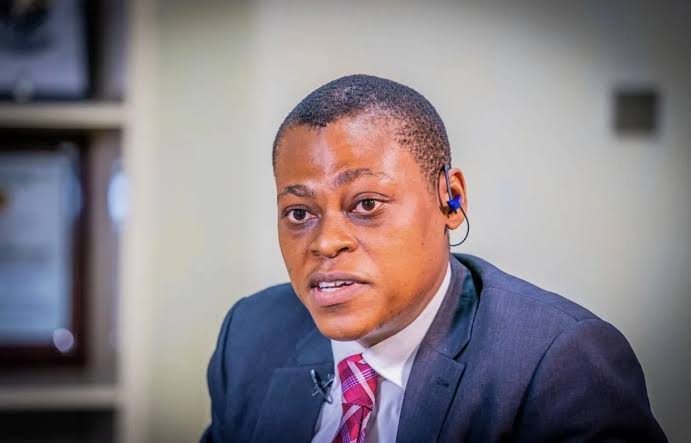
Arise TV anchor Rufai Oseni has warned that any presidential candidate who considers themselves too important to participate in television interviews may struggle to effectively serve Nigerians.
Oseni made the comment while discussing political accountability and the need for presidential candidates to directly engage voters ahead of the 2027 general election.
The broadcaster argued that presidential candidates should be willing to appear before the public, answer questions and explain their positions on issues affecting the country.
According to Oseni, candidates seeking the highest political office should not shy away from interviews that provide Nigerians with an opportunity to assess their knowledge, policies and preparedness for leadership.
His comments come as political activities intensify ahead of the 2027 presidential election, with several political parties and potential candidates already positioning themselves for the contest.
Television interviews have historically played an important role in political campaigns by giving candidates an opportunity to communicate their programmes directly to voters.
They also allow journalists to challenge politicians on their records, policies and positions on issues such as the economy, insecurity, unemployment, education and healthcare.
Oseni’s remarks therefore touch on a broader debate over political accountability and the relationship between candidates and the Nigerian electorate.
The Arise TV anchor has become known for his direct questioning of public officials and political figures during interviews and discussions on the station.
The 2027 election is expected to generate increased media scrutiny as political parties settle on their candidates and begin campaigning for votes.
For voters, access to candidates and their willingness to respond to difficult questions could become an important part of evaluating those seeking the presidency.
Oseni’s argument is that no candidate should be considered above such scrutiny, particularly when seeking a mandate to govern more than 200 million Nigerians.