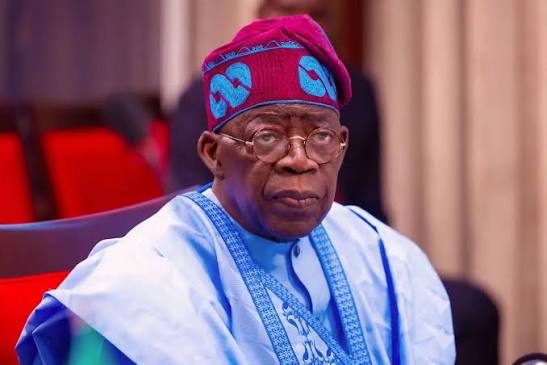
The Minister of Education, Dr Maruf Tunji Alausa, has expressed confidence that President Bola Tinubu will secure re-election in 2027, citing the administration’s education reforms, vocational training programmes and investments in human capital.
Alausa stated this during a visit to the headquarters of the City Boy Movement in Abuja, where he commended the organisation’s grassroots mobilisation and engagement with Nigerians from different backgrounds.
The minister was received by Seyi Tinubu, the President’s son and grand patron of the movement.
Alausa argued that the administration’s policies in education and skills development would strengthen its case before voters in the next presidential election.
Education and Skills Development as Campaign Issues
The minister highlighted the government’s efforts to improve vocational and technical education, describing skills development as an important part of preparing young Nigerians for employment and entrepreneurship.
He cited the Technical and Vocational Education and Training programme as an example of the administration’s approach to expanding practical skills training.
According to Alausa, more than 250,000 young Nigerians were being trained through approximately 1,200 skills-training centres under the programme.
He argued that such initiatives could help address skills shortages and improve opportunities for young people entering the labour market.
The minister also pointed to efforts to maintain university academic calendars and expand access to student financing as part of the administration’s wider education agenda.
These initiatives, he said, should form part of public assessment of the government’s performance.
City Boy Movement’s Mobilisation Efforts
Alausa praised Seyi Tinubu and members of the City Boy Movement for their efforts to engage young people and communicate the administration’s policies.
He encouraged the group to take information about the government’s education and skills programmes to communities across the country.
The movement has been involved in political mobilisation in support of Tinubu’s second-term ambition, making its activities part of the broader preparations for the 2027 election.
Alausa’s visit therefore combined discussion of government policy with engagement involving a group supporting the President’s re-election.
Performance and Public Expectations
The minister’s remarks reflect the administration’s strategy of presenting its reforms as evidence of progress ahead of the next election.
However, the political impact of those policies will depend partly on how Nigerians assess their results, including access to education, the quality of training, graduate employment prospects and the affordability of schooling.
While the government has highlighted its programmes, voters will also weigh wider economic conditions and other issues affecting households.
Alausa’s prediction that Tinubu will win in 2027 is his political assessment, not an established electoral outcome. The election result will be determined by voters and the official electoral process.