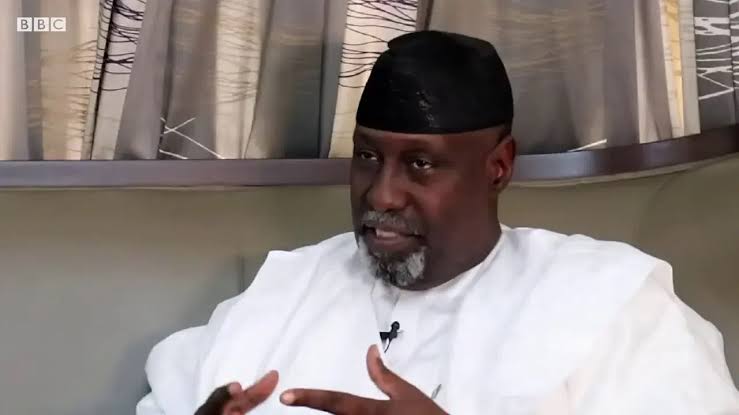
A chieftain of the All Progressives Congress (APC), Farouk Aliyu, has claimed that many Nigerian Christians who initially opposed President Bola Tinubu’s Muslim-Muslim presidential ticket have become more accepting of the arrangement following the administration’s performance in office. His comments come as political parties begin positioning themselves ahead of the 2027 general elections.
As political conversations ahead of the 2027 general elections continue to gather momentum, former federal lawmaker and APC chieftain Farouk Aliyu has argued that the religious controversy surrounding President Bola Tinubu’s same-faith ticket is gradually fading.
According to Aliyu, many Christians who were sceptical of the APC’s decision to field two Muslim candidates in the 2023 presidential election have become more receptive after observing the Tinubu administration in office.
The Muslim-Muslim ticket adopted by the APC in 2023 generated one of the fiercest political debates in Nigeria’s recent electoral history.
Critics argued that the decision failed to reflect the country’s religious diversity and could deepen feelings of exclusion among Christians, while supporters maintained that competence and electoral strategy should take precedence over religious considerations.
Aliyu believes events since then have changed public perception.
Speaking during a political interview, the APC stalwart said many Christians who initially rejected the ticket are now judging the administration based on governance rather than religion.
He argued that appointments made by President Tinubu and policies implemented since 2023 demonstrate that the administration is not driven by religious bias.
According to him, the political conversation has increasingly shifted from identity to performance and national development.
Despite Aliyu’s assertion, the same-faith ticket remains a subject of debate across Nigeria’s political landscape.
Several Christian organisations and opposition figures have continued to argue that religious balance remains an important consideration in a multi-faith society like Nigeria, insisting that inclusiveness strengthens national unity.
The issue is expected to feature prominently again as parties negotiate alliances and tickets ahead of the next presidential election.
Political analysts say comments from party leaders increasingly reflect the early battle to shape public opinion before 2027.
With parties already engaging in consultations, endorsements and coalition talks, debates around governance, inclusion, religion and zoning are likely to remain central themes in the months ahead.
Aliyu’s remarks therefore add another layer to the ongoing conversation over whether the controversy that dominated the 2023 election still carries the same political weight today.
Whether Nigerians agree with Farouk Aliyu’s assessment or not, his comments underscore how political narratives continue to evolve as attention gradually shifts toward the next general election. With campaigns expected to intensify over the coming months, issues surrounding religion, representation and governance are unlikely to disappear from the national conversation anytime soon.