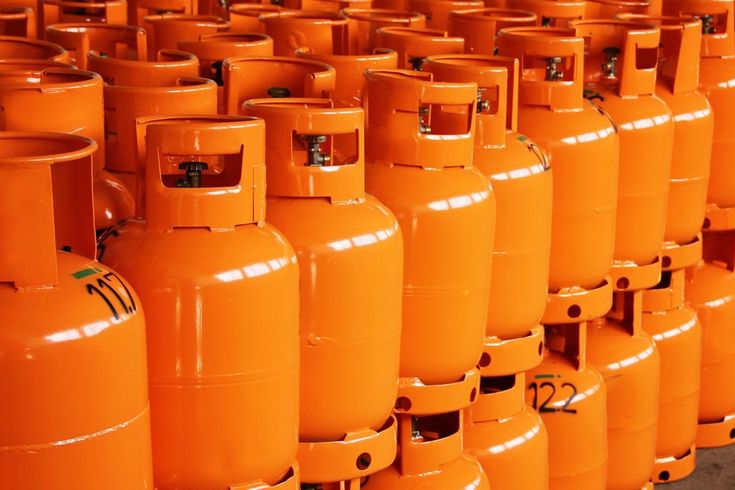
Latest data shows continued increase in LPG prices, raising concerns over household energy affordability in Nigeria.
The average retail price of a 5kg cylinder of cooking gas rose to N7,655 in March 2026, highlighting sustained upward pressure on household energy costs across Nigeria.
The figure reflects a continued increase in the price of liquefied petroleum gas (LPG), commonly used for cooking, according to recent market data. The rise affects millions of households already grappling with inflation and higher living expenses.
Industry analysts attribute the increase to a combination of factors, including exchange rate volatility, rising global energy prices, and supply chain constraints. Nigeria, despite being a gas-producing nation, still relies significantly on imports to meet domestic LPG demand—making prices sensitive to foreign exchange fluctuations.
Market surveys indicate that retail prices vary across regions, with urban centers such as Lagos and Abuja often recording slightly higher costs due to transportation and distribution margins.
The upward trend has sparked renewed concerns among consumer groups and energy experts, who warn that persistent increases could push more households toward alternative fuels such as firewood and charcoal, with implications for public health and environmental sustainability.
Recent policy efforts by the Nigerian Midstream and Downstream Petroleum Regulatory Authority have focused on boosting local LPG production and improving distribution infrastructure. However, stakeholders say more coordinated interventions may be required to stabilize prices and ensure affordability.
Details on further government response or potential price adjustments are still emerging.
As LPG prices continue to climb, pressure is mounting on authorities to address supply challenges and cushion the impact on Nigerian households.