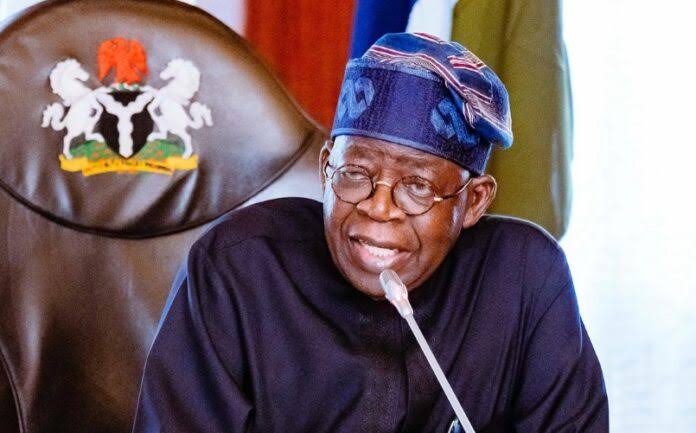
The Federal Government has officially renamed the Lagos-Calabar Coastal Highway as the President Bola Ahmed Tinubu Coastal Highway, saying the decision recognises President Bola Tinubu’s vision for conceiving the landmark infrastructure project nearly three decades ago. The announcement was made by the Minister of Works, David Umahi, during a project briefing.
Nigeria’s flagship coastal road project has been given a new identity following a decision by the Federal Government to immortalise President Bola Ahmed Tinubu.
The 700-kilometre Lagos-Calabar Coastal Highway will now officially be known as the President Bola Ahmed Tinubu Coastal Highway, a move the government says reflects the President’s longstanding vision for the ambitious project.
Minister of Works David Umahi disclosed the decision while addressing journalists during an update on the progress of the highway project.
According to him, the renaming was approved after consultations within the Federal Ministry of Works, including the Permanent Secretary, Minister of State and senior officials of the ministry.
Umahi said the decision was taken to honour Tinubu for conceiving the coastal highway long before assuming the presidency.
Defending the decision, Umahi said Tinubu first envisioned the coastal highway about 27 years ago while serving as Governor of Lagos State.
He argued that while many leaders conceive ambitious projects, only a few eventually have the opportunity to bring them to reality, describing the highway as one of Tinubu’s most enduring infrastructure ideas.
The Lagos-Calabar Coastal Highway remains one of the Federal Government’s largest ongoing road projects.
Stretching from Lagos to Cross River State, the multi-state highway is expected to improve transportation, promote regional trade, enhance tourism and open up economic opportunities along Nigeria’s coastline once completed.
The renaming is already generating reactions among Nigerians.
Supporters have described the move as a fitting recognition of Tinubu’s role in initiating the project, while critics argue that major national infrastructure should retain geographically descriptive names rather than being renamed after serving political leaders.
The government has, however, maintained that the decision reflects the President’s historical contribution to the project’s conception.
Construction work is continuing on various sections of the coastal highway, with the Federal Government insisting the project remains a strategic investment designed to improve connectivity across Nigeria’s southern corridor.
Officials have also announced additional extensions to complement the road network as work progresses.
The renaming of the Lagos-Calabar Coastal Highway marks a symbolic moment in one of Nigeria’s most ambitious infrastructure projects. While opinions remain divided over the decision, construction continues as the government pushes to transform the corridor into a major economic and transportation route linking several coastal states.