The Obidient Movement has criticised the Federal Government’s 30-day petrol discount, questioning the figures used to calculate fuel-related interventions and calling for greater transparency in the management of public funds.
The movement said the temporary price relief raised questions about the government’s position on petrol subsidy after President Bola Tinubu’s administration removed the scheme in 2023.
In a statement issued by its Head of Media and Communications Directorate, Onyeka Dike, the group argued that Nigerians should not have to choose between affordable petrol and accountability in the petroleum sector.
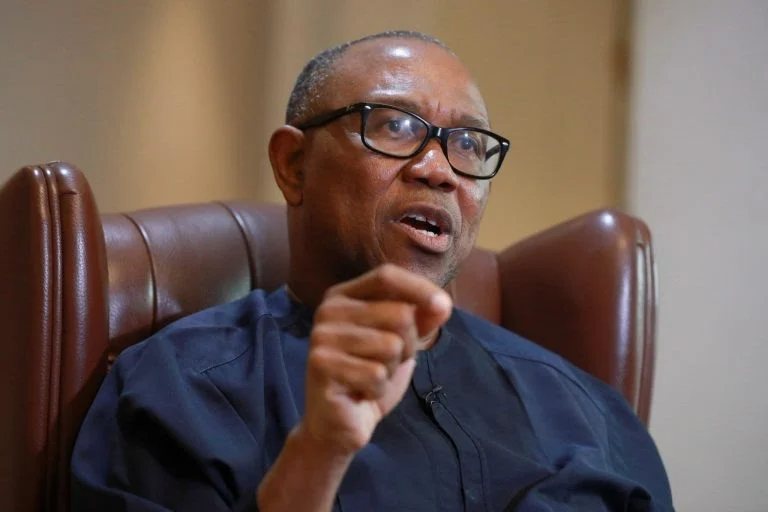
The movement also said Peter Obi, the presidential candidate of the Nigeria Democratic Congress (NDC), would restore fuel subsidy if elected, but under a different framework designed to improve transparency and oversight.
According to the group, the proposed arrangement would be structured to ensure that Nigerians pay half the reference price of petrol, with the mechanism subject to what it described as a transparent, accountable and verifiable system.
The statement questioned reported daily petrol consumption figures used by government officials, arguing that the basis for calculating fuel-related interventions should be made clear to the public.
The debate comes as the Federal Government defends its 30-day discount at Nigerian National Petroleum Company Limited (NNPC) retail stations as a temporary relief measure rather than a return to the former subsidy regime.
The government has said NNPC will forgo its retail profit margin during the discount period, while maintaining that the measure does not establish a uniform national pump price or reverse market-based pricing.
The Obidient Movement’s position introduces a political dimension to the debate over fuel affordability, public spending and the future of petroleum pricing.
However, the movement’s proposed subsidy framework remains a political commitment rather than an implemented policy. Its feasibility would depend on the details of the proposal, funding arrangements, verification mechanisms and safeguards against abuse.
The disagreement reflects a broader question facing policymakers: how to protect consumers from high energy costs while ensuring public funds are managed transparently and sustainably.