President Bola Ahmed Tinubu has begun the new phase of Nigeria’s 2027 election cycle with a series of meetings at the Presidential Villa as political parties formally enter the campaign period.
The meetings come as presidential campaigning officially begins ahead of the January 16, 2027 election.
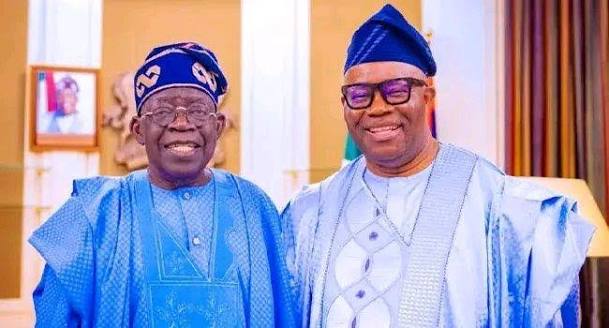
Among the political figures reported to have met with the President are Senate President Godswill Akpabio and House of Representatives member Alhassan Ado Doguwa, as the ruling All Progressives Congress prepares for the campaign season.
The timing is significant.
Nigeria’s presidential campaign season officially opened on Wednesday, August 19, putting Tinubu’s bid for a second term into a more active electoral phase.
Reuters reported that Tinubu’s re-election campaign begins under intense scrutiny over the APC’s record after more than a decade in power, with economic hardship and insecurity likely to dominate the contest.
Associated Press also described the opposition as fragmented as campaigning began, noting that Tinubu faces challenges from opposition figures including Atiku Abubakar and Peter Obi.
The President’s political strength, however, has increased considerably since the 2023 election.
According to AP, Tinubu now controls 31 of Nigeria’s 36 state governorships through political defections, strengthening the APC’s grassroots structure ahead of the election.
That political consolidation is likely to become an important part of the ruling party’s campaign strategy.
The closed-door meetings at Aso Rock also underline the importance of coordination between the executive and senior political figures as the campaign begins.
But the administration will face a difficult political argument.
Tinubu’s government will seek to persuade voters that its economic reforms are beginning to deliver results, while opposition parties are expected to campaign heavily on the cost of living, unemployment, insecurity and other concerns.
The President has maintained that the economy is recovering.
In a recent meeting with Catholic bishops, Tinubu said Nigeria had been placed on a sound economic footing and declared that prosperity was on the horizon. He also defended the government’s security reforms.
The opposition, however, argues that ordinary Nigerians have not experienced sufficient improvement in their living conditions.
That disagreement is expected to form one of the central themes of the campaign.
The meetings at Aso Rock therefore come at a politically significant moment.
Tinubu is not entering the 2027 contest as the same candidate who contested in 2023.
He now has the advantage of incumbency, greater control of the political structure and a fragmented opposition.
But he is also seeking re-election after three years of economic reforms that have generated both praise from supporters and significant criticism from opponents.
The campaign period will now test whether the APC can turn its political organisational advantage into voter support.
For Tinubu, the objective is clear: secure another four-year mandate.
For the opposition, the task is to prevent the incumbent’s political strength from becoming an electoral advantage that cannot be overcome.
With campaigns now formally underway, the 2027 presidential contest has moved from political positioning into the opening phase of the actual race.