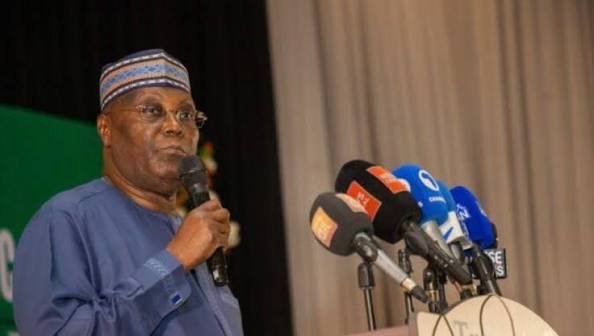
The Presidency has rejected Atiku Abubakar’s proposal to restore fuel subsidy if he wins the 2027 presidential election.
Atiku, the presidential candidate of the African Democratic Congress, has made subsidy restoration part of his campaign message as he seeks to challenge President Bola Tinubu.
The proposal has triggered criticism from supporters of the administration, who argue that returning to the previous subsidy regime would reverse one of Tinubu’s most significant economic reforms.
The debate reflects one of the central economic questions likely to dominate the 2027 election: whether Nigeria should continue with the current market-based fuel pricing system or reintroduce some form of government intervention to reduce the cost of petrol.
Tinubu removed the petrol subsidy shortly after taking office in 2023, describing the policy as financially unsustainable.
The decision significantly changed petrol prices and contributed to increased transportation and living costs.
Supporters of subsidy removal argue that the funds previously spent subsidising petrol can instead be directed towards infrastructure, social programmes and other public priorities.
Critics counter that the savings have not sufficiently translated into relief for ordinary Nigerians.
Atiku has therefore positioned subsidy restoration as part of a broader argument for reducing the economic burden on households.
The Presidency, however, has rejected the proposal and maintained that the government does not intend to return to the old subsidy regime.
The disagreement is likely to intensify as the 2027 presidential campaign gathers momentum.