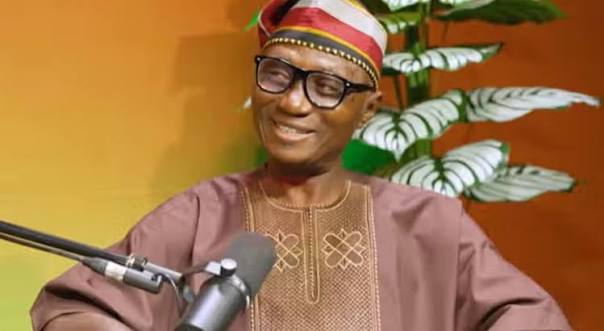
Professor Tunji Ogunyemi of Obafemi Awolowo University, Ile-Ife, has criticised former Vice President Atiku Abubakar’s position on petroleum subsidy, describing calls for its restoration as political and potentially damaging to Nigeria’s finances.
Ogunyemi, an economic historian, lawyer and public affairs analyst, warned that bringing back the petrol subsidy regime could create severe financial pressure on several states, particularly in northern Nigeria.
The professor said more than 15 northern states could face serious financial difficulties within three months if the subsidy system were restored.
Professor Questions Subsidy Proposal
Ogunyemi’s comments came amid renewed debate over fuel prices and the consequences of the Federal Government’s decision to remove petrol subsidy.
Atiku has repeatedly argued that Nigerians need relief from the high cost of energy and has supported measures aimed at reducing petrol prices through increased domestic refining.
The former vice president has also backed calls by petroleum marketers for government intervention with domestic refiners.
Ogunyemi, however, argued that returning to the old subsidy model would place additional pressure on government finances and state allocations.
Northern States Could Feel The Impact
According to the professor, states that rely heavily on federal allocations could be particularly vulnerable if government revenue is diverted towards subsidising petroleum consumption.
He warned that the impact could extend beyond the Federal Government to state governments that already face significant financial obligations.
His prediction that more than 15 northern states could collapse within three months is an assessment attributed to him and is not an established forecast by the Federal Government or an independent fiscal authority.
Subsidy Debate Returns To Politics
Fuel subsidy has remained one of Nigeria’s most contentious economic issues.
The Tinubu administration removed the subsidy shortly after assuming office in 2023, arguing that the policy was financially unsustainable and that the resources could be redirected towards development and social intervention.
The decision contributed to a sharp increase in petrol prices and living costs, while successive government measures have sought to cushion the effects on households and businesses.
Atiku has maintained that Nigeria needs an approach capable of reducing the cost of energy while strengthening domestic refining capacity.
A Continuing Economic Debate
Supporters of subsidy removal argue that maintaining the old regime drained public resources and created opportunities for corruption and inefficiency.
Critics counter that removing the subsidy without adequate social protection placed an excessive burden on ordinary Nigerians.
The latest comments by Ogunyemi add another dimension to the debate, particularly regarding the impact that a return to subsidy could have on state finances.