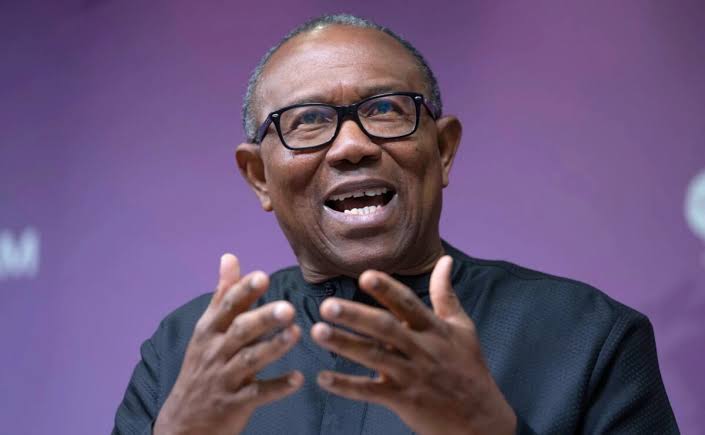
Presidential candidate of the Nigeria Democratic Congress (NDC), Peter Obi, has said future Nigerian presidents should spend their vacation periods within the country rather than travelling abroad.
Obi made the proposal during an interview with Arise Television while explaining how he intends to establish a closer relationship between the presidency and Nigerians if elected in 2027.
According to him, the president should use periods of leave to visit different parts of the country, interact with citizens and experience first-hand the conditions under which Nigerians live.
Obi specifically referenced Sokoto and said that, as president, he would be willing to spend Sallah with the Sultan of Sokoto.
The former Anambra governor argued that presidential travel within Nigeria could also help promote domestic tourism and encourage Nigerians in positions of influence to patronise local destinations.
His comments come amid renewed debate over presidential vacations after President Bola Tinubu embarked on a three-week holiday in Europe earlier in the year.
Obi had previously criticised that decision, arguing that Nigeria’s economic difficulties required leaders to demonstrate confidence in the country’s own tourism, hospitality and business sectors. Channels Television reported that Obi said a Nigerian president should be a chief marketer of the country as a tourism destination.
The NDC candidate’s latest position goes beyond tourism, however, framing presidential travel as a question of leadership visibility and national integration.
Nigeria’s vast geographical, cultural and religious diversity means that presidential visits can carry considerable symbolic significance, particularly in areas that often feel disconnected from the political centre.
Obi’s proposal also fits into his broader argument that political leadership should remain closely connected to ordinary citizens and the realities they face.
The issue is expected to feature in the wider debate over how presidential candidates intend to use the office and whether they will prioritise domestic engagement, local investment and national integration.