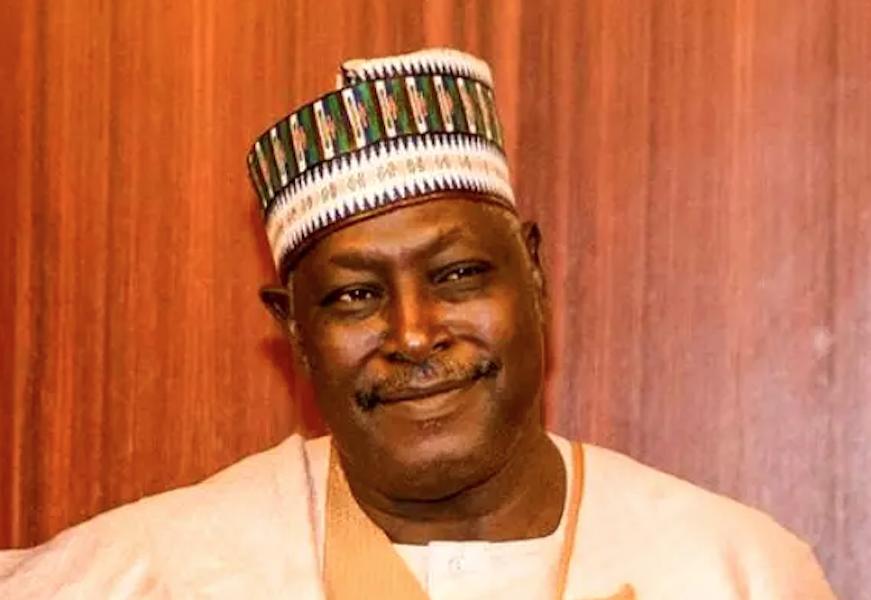
Six governorship candidates of the Nigeria Democratic Congress (NDC) in the North-East have rejected the appointment of former Secretary to the Government of the Federation, Babachir Lawal, to oversee the party’s activities and campaigns in the region, exposing a disagreement over leadership authority and internal consultation ahead of the 2027 general elections.
The candidates said they would not recognise Lawal as the party’s leader in the North-East, arguing that the appointment was made without adequate consultation with them and other stakeholders involved in establishing the party’s structures across the region.
Their position was communicated in a joint statement addressed to the NDC national leadership and the party’s National Leader, Senator Henry Seriake Dickson. The candidates described their opposition as collective and final, according to a report published on September 28, 2026.
Candidates Question Consultation Process
The six candidates represent Adamawa, Bauchi, Borno, Gombe, Taraba and Yobe states.
They are Aishatu Dahiru Ahamed of Adamawa, Barrister Ibrahim Muhammad Kashim of Bauchi, Rear Admiral S. Kashim Ibrahim (retd.) of Borno, Dr Babayo Ardo of Gombe, Professor Mohammed Sani of Taraba and Ibrahim M. Shitu of Yobe.
The candidates argued that decisions concerning regional party leadership should reflect the political circumstances of individual states and the contributions of those responsible for mobilising support at the grassroots.
According to their statement, consulting the governorship candidates before announcing the appointment would have enabled the national leadership to consider their views and assess the implications for the party’s organisation in the North-East.
They also expressed concern that the decision could affect the party’s electoral prospects in the region, maintaining that the appointment would not necessarily strengthen its political position.
The disagreement therefore extends beyond the appointment of an individual to questions about how the party intends to coordinate its regional operations and reconcile national decisions with the views of state-level stakeholders.
Call for Review
The candidates appealed to the national leadership to reconsider the appointment and engage with them in an effort to preserve unity and improve coordination across the six states.
They acknowledged the national leadership’s efforts to provide a platform for political participation ahead of the next general election but maintained that their objections to Lawal’s role remained unchanged.
Their position places the NDC leadership before an organisational challenge: balancing the authority of its national leadership with the expectations of state candidates seeking a meaningful role in decisions affecting their constituencies.
A coordinated regional structure could be important for candidate mobilisation, communication, campaign planning and the development of relationships with local political stakeholders.
However, the immediate dispute centres on whether the appointment should stand despite the objections of the six candidates.
Implications for the 2027 Election
The disagreement comes as political parties and emerging political platforms prepare their structures for the 2027 elections.
For the NDC, resolving the dispute may require further consultations between its national leadership and the affected candidates, particularly if the party intends to maintain a unified approach to campaign organisation across the North-East.
The candidates have made clear that they do not recognise Lawal in the regional leadership position. Whether the national leadership revisits the appointment or maintains its decision remains a separate question from the candidates’ stated opposition.
The episode underscores the importance of internal communication and stakeholder participation in the formation of party structures ahead of a major election.