![Nigeria - [VIDEO] Wike Jabs New Tinubu Supporters: "They Couldn't Sing 'On Your Mandate' in 2023" | Nigerian Bulletin - News, Lifestyle, Marketplace, Community](https://images.openai.com/static-rsc-4/zxdlXpmV34-OS8R6ZaJO9KVDp05TQ7xR-YnsYq4VltaT_X9ga10Hq4q0jU7HGY80YMoPsW0TmKrEcghRUWvrNs-AP888YSZ0G1UFbIuCr90DiOooPgDY76IEoEmjkfoOuWYYW4eNRCx-7WprCQt-Jf9lUawAxt7cyCygWv-w6mw?purpose=inline)
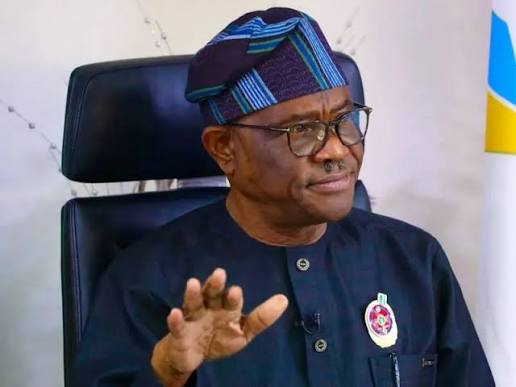
Minister of the Federal Capital Territory, Nyesom Wike, has declared that Rivers State should not be considered a potential opposition stronghold in the 2027 presidential election, insisting that the state will support President Bola Ahmed Tinubu.
Wike made the statement while addressing political stakeholders in Rivers State on Friday, October 2, amid an ongoing political dispute involving former Rivers State governor Rotimi Amaechi, who is the African Democratic Congress (ADC) vice-presidential candidate.
The FCT minister maintained that Tinubu had substantial political backing in Rivers and rejected suggestions that the opposition could prevail in the state.
“Whether he said by rigging woo, according to him (Amaechi), or by whatever he wants it, they should count out Rivers State. Rivers State is totally for Asiwaju Bola Ahmed Tinubu in 2027,” Wike said.
The declaration reflects Wike’s stated political position and his efforts to mobilise support for Tinubu ahead of the next presidential election. It is not evidence of how Rivers State voters will ultimately vote.
Wike dismisses opposition expectations
Wike’s remarks come amid growing political activity ahead of the 2027 elections, with parties and political figures seeking to consolidate their support bases across the country.
Although Wike was elected governor of Rivers State on the platform of the Peoples Democratic Party (PDP), he has maintained a working relationship with Tinubu’s administration and has publicly campaigned for the president’s re-election.
His position has also placed him at odds with some former political associates, including Amaechi, who has aligned himself with the ADC ahead of the next election.
The disagreement highlights the changing political alliances in Rivers State, where influential figures have continued to compete over the direction of the state’s political structure.
Electoral outcome remains undecided
Wike’s confidence in Tinubu’s support in Rivers State is a political assertion rather than an established electoral outcome.
The eventual result will depend on voter participation, campaign activities, party organisation, candidates’ appeal and the conduct of the election.
The Independent National Electoral Commission will oversee the electoral process, while voters will determine the outcome through their ballots.
As campaigning develops, claims about the strength of political support in Rivers State are likely to remain a central feature of the contest.