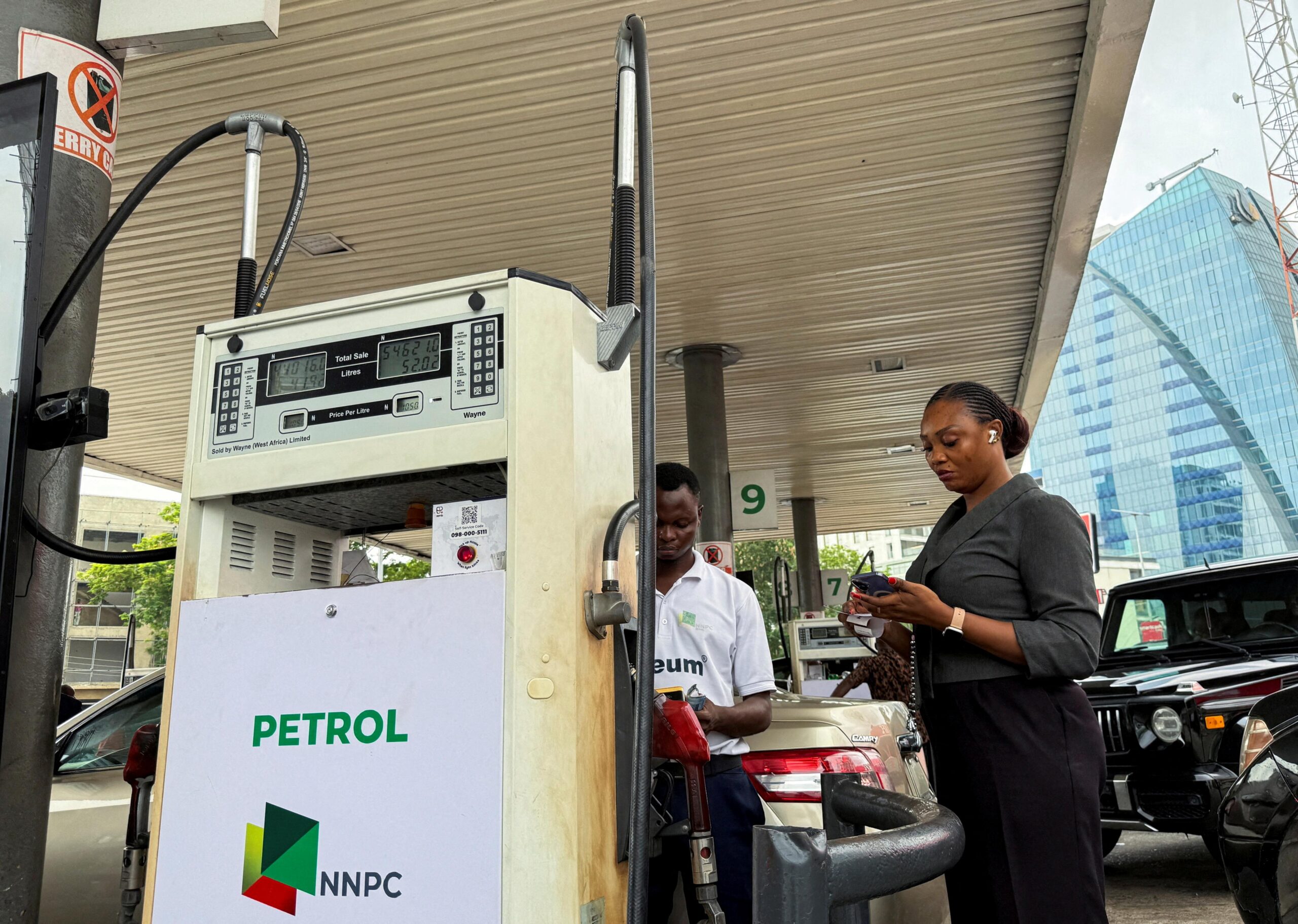
The Presidency has defended the Federal Government’s 30-day petrol discount programme, insisting that the intervention does not amount to a reinstatement of the petrol subsidy abolished in May 2023.
Under the arrangement, the Nigerian National Petroleum Company Limited (NNPCL) will temporarily forgo its retail profit margin and sell petrol at cost in an effort to cushion the impact of rising global crude oil prices on Nigerian households and businesses.
The measure was announced by the Minister of Finance and Coordinating Minister of the Economy, Taiwo Oyedele, as part of a wider package of interventions intended to ease pressure from volatile fuel prices.
In a statement issued on Thursday, the Presidency said the initiative had President Bola Ahmed Tinubu’s backing and was designed to provide temporary relief, particularly for commercial transport operators and other vulnerable consumers.
Oyedele said the arrangement would initially run for 30 days, with priority given to public transporters nationwide. He explained that the government was not restoring the previous subsidy framework but allowing NNPC Retail to sell petrol without its usual retail profit margin during the period.
The distinction is significant because the Tinubu administration has repeatedly defended the 2023 subsidy removal as necessary to reduce pressure on public finances and redirect resources towards other government priorities.
However, the latest intervention comes amid continuing concerns over petrol prices and their impact on transport fares, food distribution, production costs and household purchasing power.
Higher fuel costs affect more than private motorists. Commercial drivers face increased operating expenses, manufacturers pay more to transport goods and businesses that depend on generators confront higher energy bills. These pressures can ultimately be reflected in the prices consumers pay for essential goods and services.
The government’s decision to limit the intervention to an initial 30-day period also raises questions about what happens when the arrangement expires and whether the benefit will be passed on to passengers through lower transport fares.
Opposition figures, including former Vice President Atiku Abubakar, have criticised the measure as temporary and insufficient to address the broader cost-of-living crisis. The government, however, maintains that the discount is a targeted response to an extraordinary rise in global energy costs rather than a reversal of its subsidy policy.
The effectiveness of the initiative will ultimately depend on how much consumers save, the availability of petrol at participating stations and whether the temporary relief can ease the wider cost pressures facing households and businesses.