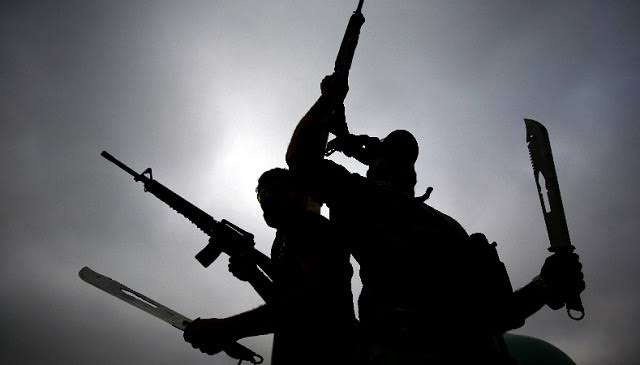
Suspected Lakurawa gunmen have attacked a construction site along the Sokoto-Badagry Superhighway project in Kebbi State, killing three people and injuring two others, according to reports from the area.
The attack occurred in Maiyama Local Government Area, where workers were engaged in the major road project. Reports identified the victims as two security personnel and a foreign national working at the site, while two other people sustained gunshot injuries.
The Kebbi State Police Command said the assailants were armed men suspected of belonging to the Lakurawa group and reportedly approached the area from neighbouring Sokoto State.
The attack underscores the security challenges facing major infrastructure projects in parts of north-western Nigeria, where armed groups have targeted communities, transport routes, construction workers and security personnel.
The Sokoto-Badagry Superhighway is intended to improve road connectivity across several parts of the country. Attacks on construction sites can put workers at risk, disrupt operations and increase the cost of delivering major infrastructure.
The incident also raises concerns about the safety of expatriate workers and other personnel involved in projects in areas affected by armed violence.
Separately, suspected bandits attacked communities in Shagari Local Government Area of Sokoto State, killing a humanitarian worker and a police inspector, according to reports published on Thursday. The humanitarian worker was identified as Lydia Chinenye Nwankwo, who was reportedly returning from field operations in Kajiji when her team came under attack.
The incidents highlight the range of people affected by insecurity in the region, from road construction workers and security personnel to humanitarian teams supporting vulnerable communities.
Humanitarian operations are particularly exposed when workers must travel through remote areas to reach people who have limited access to essential services. Attacks on such personnel can disrupt assistance and leave communities more isolated.
The reported attacks also raise questions about the protection of major infrastructure corridors and the coordination of security operations across state boundaries.
Authorities will need to establish the full circumstances of the incidents, identify those responsible and determine whether the attacks are linked. The identity and affiliation of the attackers should remain attributed to security reports until formally established.
For residents and workers in the affected areas, the immediate priority is improved protection, prompt medical assistance for the injured and effective investigations into the killings.
The wider challenge remains the restoration of security across parts of the north-west, where repeated attacks continue to threaten lives, economic activity and the delivery of public infrastructure.