The Anambra State Government has disclosed plans that could affect an estimated 5,075 buildings along the corridor of a proposed six-lane road near the Second Niger Bridge, raising questions about urban planning, infrastructure expansion and the impact of development on residents and property owners.
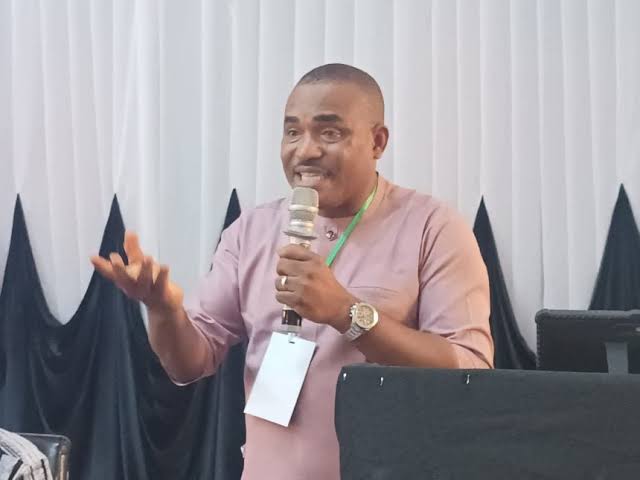
The State Commissioner for Works, Arc Okey Ezeobi, disclosed the figure while delivering a keynote address at the 2026 Annual General Meeting of the Anambra State chapter of the Nigerian Institute of Architects in Awka.
The proposed road is expected to run along the Nkwele-Ezunaka axis in Oyi Local Government Area, near the Second Niger Bridge corridor.
Ezeobi spoke on the theme, “From Vision to Legacy: Planning, Innovation and Inclusive Development for a Livable Environment,” emphasising the importance of long-term planning in managing population growth and infrastructure development.
Commissioner blames inadequate planning
The works commissioner argued that inadequate planning had contributed to the difficulties now confronting communities affected by major development projects.
He said residents were paying a substantial price because earlier planning had not adequately anticipated future infrastructure requirements.
“If there were a proper master plan, the people would not have to be paying such big price; but today, our people are paying the price because, there was no planning,” Ezeobi said.
His remarks highlight the consequences that poorly coordinated urban development can have on housing, land use, transportation and public infrastructure.
The proposed six-lane road is part of wider infrastructure planning intended to accommodate future growth and improve connectivity in the area.
However, the projected number of affected buildings also raises important questions about property assessments, compensation arrangements, resettlement and the timeline for implementation.
The government’s disclosure does not, by itself, establish that demolition of all 5,075 buildings has commenced or that every affected property has completed the relevant acquisition process.
Long-term development plans
Ezeobi also defended the need to plan for infrastructure beyond immediate population and transportation demands.
He cited the state’s airport development plans as an example of the importance of anticipating future needs rather than making decisions only in response to present pressures.
The commissioner said Anambra was planning for additional airport infrastructure over the longer term, arguing that early planning would help the state accommodate future growth.
His comments came as architects and other built-environment professionals discussed the relationship between infrastructure, innovation and inclusive development.
Residents’ interests and infrastructure delivery
The scale of the projected impact along the road corridor underscores the need for transparent communication between government authorities and affected communities.
For residents and property owners, key issues include the final alignment of the road, the identification of affected properties, the legal basis for acquisition and the arrangements for compensation where applicable.
For the state government, the challenge will be to balance infrastructure expansion with residents’ rights and the need to minimise avoidable disruption.
Further details on the project’s implementation timetable and the treatment of affected properties will be important in determining how the proposed development proceeds.