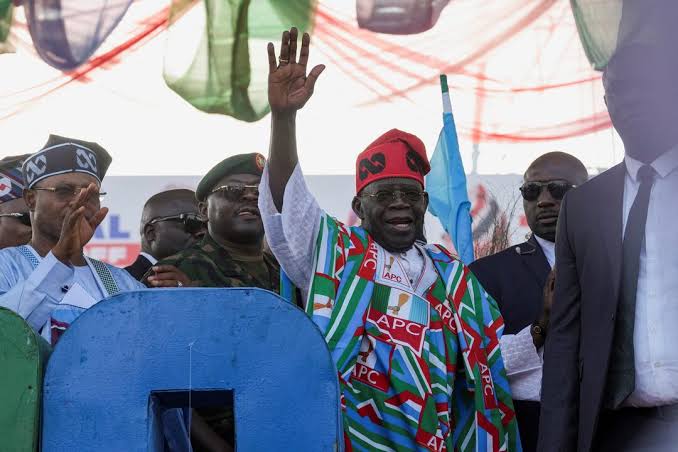
President Bola Ahmed Tinubu has asked the Senate to approve a proposed external borrowing package of $20.51 billion and €1.45 billion as part of efforts to address funding gaps under the Federal Government’s 2026–2027 supplementary borrowing plan.
The request places fresh attention on the Federal Government’s financing strategy, its reliance on external sources of funding and the implications of additional borrowing for Nigeria’s public finances.
The proposed package requires legislative consideration before it can proceed through the relevant approval processes.
The request comes as the government continues to defend its economic reforms and pursue funding arrangements intended to support its fiscal and development priorities.
Proposed Borrowing Package
Tinubu’s request seeks Senate approval for external financing denominated in United States dollars and euros.
The proposed amounts are intended to address funding gaps associated with the Federal Government’s supplementary borrowing plan for the 2026–2027 period.
External borrowing can provide governments with access to financing for budgetary requirements, infrastructure projects and other approved expenditure. However, the implications depend on the terms of the loans, their intended uses, repayment schedules and the returns generated by the spending they support.
The precise financing arrangements, including the terms attached to individual facilities, will be important in assessing the proposal’s overall implications for public finances.
Debt Sustainability and Public Spending
The request comes amid continuing debate over Nigeria’s debt obligations, revenue generation and the cost of financing government expenditure.
Borrowing can help a government meet immediate financing needs, particularly when revenue falls short of planned expenditure. However, external loans also create future repayment obligations, including interest payments and potential exposure to exchange-rate movements.
Where debt is denominated in foreign currencies, a weaker naira can increase the domestic-currency cost of servicing those obligations.
For this reason, the economic value of additional borrowing depends not only on the amount raised but also on how effectively the funds are deployed and whether the resulting economic benefits justify the cost of financing.
The government’s ability to strengthen revenue collection, manage expenditure and sustain economic growth will also influence its capacity to meet future repayment obligations.
Implications for Nigeria’s Economy
The proposed borrowing package is likely to draw attention from lawmakers and economic stakeholders concerned about the country’s fiscal position.
Supporters of external financing may argue that it can help bridge funding gaps and provide resources for government priorities when domestic revenue is insufficient.
Critics, however, may question the long-term implications of additional borrowing, particularly if debt-service obligations rise faster than government revenue or if borrowed funds fail to generate sufficient economic returns.
The distinction between borrowing for productive investment and borrowing to meet recurring expenditure is therefore central to evaluating the proposal.
Investments that improve infrastructure, expand productive capacity and strengthen revenue generation can potentially support future growth. By contrast, financing arrangements that do not produce sustainable economic benefits can leave governments with additional liabilities without a corresponding improvement in their ability to repay them.
Senate Approval and the Road Ahead
The Senate’s consideration of the request will be an important stage in determining whether the proposed external borrowing can proceed.
Lawmakers will need to examine the financing proposal, its stated objectives and the implications for Nigeria’s debt position as part of their legislative responsibilities.
The request should not be interpreted as evidence that the proposed borrowing has already received Senate approval or that the funds have been disbursed.
Further details concerning the financing structure, intended expenditure and repayment arrangements will be important in assessing the proposal’s potential impact on the economy.
As Nigeria continues to navigate competing demands for public spending, revenue mobilisation and debt management, the borrowing request underscores the importance of transparency, effective oversight and the productive use of public funds.