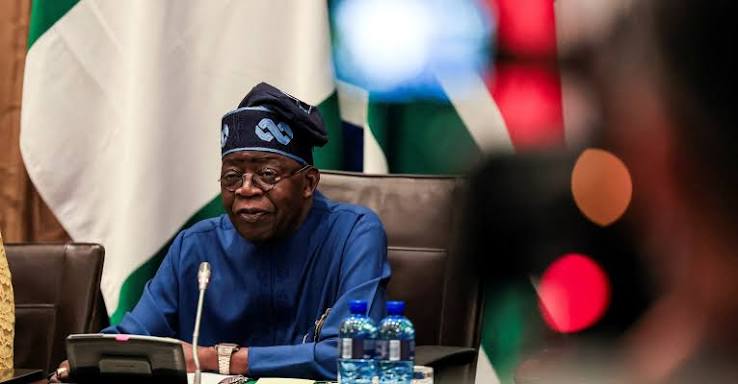
President Bola Ahmed Tinubu has asked the Senate to approve a proposed external borrowing plan involving $20.52 billion and €1.045 billion to finance infrastructure and development projects under the Federal Government’s 2026–2027 supplementary external borrowing programme.
The request, which was transmitted to the National Assembly, seeks legislative approval for external financing intended to address Nigeria’s infrastructure deficit and close funding gaps affecting the implementation of critical government projects.
The proposed borrowing amounts to approximately $20.52 billion and €1.045 billion, according to details of the request presented to lawmakers.
Infrastructure, Healthcare and Agriculture Among Priority Areas
The President said the proposed financing would support projects and programmes across several sectors, including power, transportation, agriculture, healthcare, education, water supply, security, employment generation and financial management reforms.
In his communication to the Senate, Tinubu argued that the scale of Nigeria’s infrastructure needs made additional external financing necessary to accelerate development and improve the delivery of essential public services.
The administration maintains that investments in infrastructure and other priority sectors are important to improving economic productivity, expanding opportunities and addressing longstanding development challenges.
The proposed financing is expected to support projects requiring substantial capital investment, particularly in sectors where funding constraints have affected the pace of implementation.
Senate to Scrutinise Borrowing Request
The request places the proposed borrowing before lawmakers for consideration, with the Senate Committee on Local and Foreign Debts expected to examine the plan in collaboration with other relevant committees.
The review is expected to consider the scope of the proposed financing, its intended uses and its relationship with previously approved borrowing arrangements.
Senate President Godswill Akpabio indicated that elements of the borrowing programme had featured in earlier budgetary and financing arrangements, although he expressed uncertainty about the precise period covered by previous approvals.
The legislative review will therefore be important in clarifying the relationship between the latest request and existing borrowing authorisations.
Borrowing Raises Questions About Accountability
The proposal comes amid continuing public debate over Nigeria’s debt obligations, the cost of government financing and the effectiveness of public spending.
While external borrowing can provide resources for infrastructure and development, its long-term benefits depend on how effectively the funds are allocated, managed and converted into productive assets.
Questions surrounding project selection, implementation timelines, repayment obligations and transparency are likely to remain central to scrutiny of the proposal.
The government will need to demonstrate how the proposed financing would contribute to economic growth and public welfare while managing the implications for Nigeria’s debt profile.
The Senate’s consideration will determine the next legislative steps in the proposed borrowing programme.