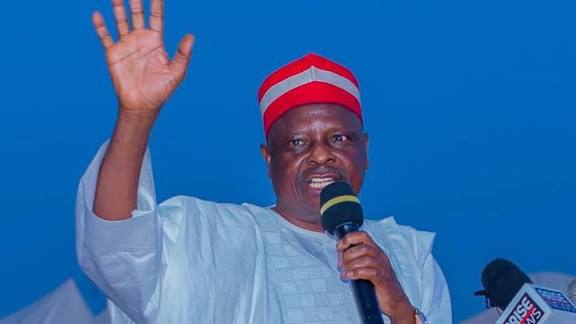
Senator Rabiu Musa Kwankwaso, the vice-presidential candidate of the Nigeria Democratic Congress (NDC), has called for an independent audit of the preliminary voter register released by the Independent National Electoral Commission (INEC), following concerns over suspected artificial intelligence-generated photographs and other questionable records.
Kwankwaso expressed concern that the alleged irregularities could undermine public confidence in the electoral process and raise questions about the credibility of the 2027 general elections.
In a statement shared on his Facebook page, the former Kano State governor called for a thorough, transparent and independent examination of the preliminary register, insisting that Nigerians deserved clear answers about the integrity of the voter registration process.
The demand comes amid growing public scrutiny of the preliminary register published online by INEC on October 26, 2026.
The electoral commission has acknowledged concerns about suspicious photographs and questionable registration records, confirming that it is reviewing the affected entries and investigating possible technical or procedural lapses.
INEC explained that the online register was the same preliminary document displayed physically at registration areas nationwide between October 9 and 15. It also clarified that the online publication did not incorporate all ongoing data-cleaning activities.
The commission has emphasised that the preliminary register is not the final certified register and that the review process is intended to identify inaccuracies and allow necessary corrections before certification.
The final Register of Voters is scheduled for certification on December 15, 2026.
Kwankwaso’s demand for an independent audit reflects wider concerns about the accuracy of voter records, particularly as political parties and candidates prepare for the next general election.
A credible voter register is essential to ensuring that eligible citizens can exercise their voting rights while preventing duplicate, inaccurate or otherwise invalid entries from undermining the process.
However, the presence of suspicious photographs in a preliminary document does not, by itself, establish that the affected entries represent fraudulent registrations or that the electoral process has been deliberately manipulated. Those questions require proper investigation and verification.
An independent audit could provide additional scrutiny, although its scope, methodology and relationship with INEC’s ongoing review would need to be clearly established.
For the electoral commission, the immediate challenge is to demonstrate that every questionable record is examined fairly, that eligible voters are not disenfranchised and that verified irregularities are corrected before the final register is certified.
As preparations for the 2027 elections continue, the handling of these concerns will be an important test of INEC’s transparency and its ability to maintain public confidence in Nigeria’s electoral system.