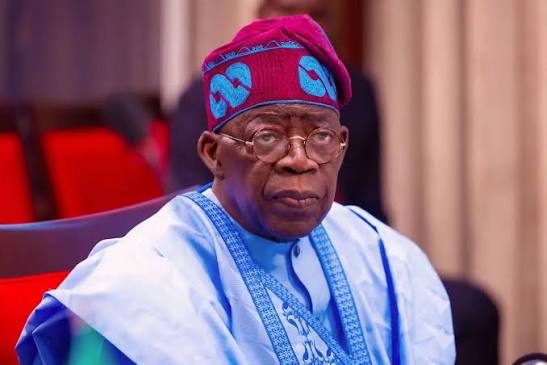
The All Progressives Congress (APC) has dismissed allegations that ministers serving under President Bola Ahmed Tinubu paid billions of naira to secure their appointments, insisting that remarks by party chieftain Alwan Hassan were taken out of context.
The party’s National Publicity Secretary, Felix Morka, offered the clarification on Wednesday during an interview on Arise Television’s Prime Time, following public controversy over Hassan’s comments about alleged payments for ministerial positions.
Hassan, a spokesperson for the APC Presidential Campaign Council, had previously alleged that some ministers paid billions of naira to obtain appointments and subsequently sought to recover the money.
His remarks triggered questions about the integrity of political appointments and whether financial inducements had influenced the selection of public officeholders.
However, Morka maintained that Hassan was referring to practices under previous administrations rather than accusing ministers serving in Tinubu’s government of paying for their positions.
According to the APC spokesman, the comments were made in a historical context and had subsequently been interpreted in a way that suggested wrongdoing by the current administration.
Morka insisted that appointments under Tinubu were based on merit, competence and the ability to deliver on assigned responsibilities, rejecting the suggestion that members of the President’s cabinet had paid money to secure their positions.
The party’s response was aimed at separating Hassan’s general remarks about alleged practices in Nigerian politics from the current administration’s appointment process.
Nevertheless, the controversy has raised broader questions about political patronage, transparency in public appointments and the influence of money in the competition for government positions.
Hassan’s original comments did not publicly identify specific ministers who allegedly made payments or name individuals who purportedly received such money. The allegations therefore do not establish that any particular minister engaged in the practice.
The distinction is important because claims of financial inducements involving public appointments carry serious implications for accountability and public confidence in government.
Political appointments can involve lobbying, negotiations and consultations among party stakeholders. However, allegations that money is exchanged to secure public office raise separate questions about transparency, ethical standards and the use of political influence.
For the Tinubu administration, the controversy presents a communications challenge as it seeks to defend its appointment process and reassure Nigerians about the integrity of public institutions.
Morka’s clarification notwithstanding, the broader allegations have renewed public discussion about how political appointments are secured and what safeguards exist to prevent financial considerations from overriding competence and public interest.