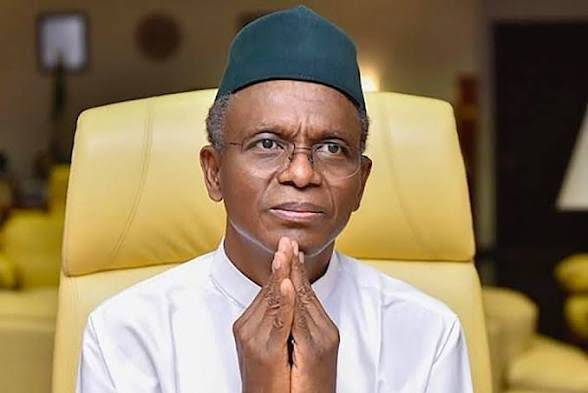
Former Kaduna State Governor Nasir El-Rufai has appealed to United States President Donald Trump and French President Emmanuel Macron to draw international attention to his continued detention, insisting that his demand for a fair trial is a fundamental human right rather than a request for special treatment.
El-Rufai made the appeal in a post on his official X account on Friday, October 30, in which he tagged the two world leaders and called on the international community to pay attention to his legal situation.
The former governor also reached out to international human rights organisations, governments and media outlets, urging them to monitor his case and raise concerns about what he described as a violation of his fundamental rights.
Emphasising his position, El-Rufai maintained that access to justice and a fair hearing were rights guaranteed to every individual and should not be treated as privileges granted at the discretion of the authorities.
He wrote that a fair trial was neither an act of mercy nor a favour, but a fundamental human right.
His appeal came as he marked what he described as his 256th day in detention, renewing attention to his legal challenges and his demand for a judicial process that respects his constitutional rights.
El-Rufai’s situation has attracted political attention amid allegations involving his administration and a separate case concerning the alleged interception of a telephone conversation involving National Security Adviser Nuhu Ribadu.
The former governor has denied wrongdoing and maintained that he deserves a fair hearing. The allegations against him remain matters for the appropriate legal processes, and detention or the existence of a criminal case does not, in itself, establish guilt.
His decision to seek international attention introduces another dimension to the controversy, placing his concerns about due process before foreign leaders and international organisations.
However, his appeal does not automatically guarantee intervention by the leaders he has tagged. Any determination of his legal status and the allegations against him will depend on the relevant legal proceedings and applicable laws.
The case has also renewed broader questions about the protection of fundamental rights, the presumption of innocence and the importance of ensuring that criminal proceedings are conducted transparently and in accordance with the law.
For El-Rufai, the central message of his appeal remains that he wants what he describes as a fair trial and access to justice.