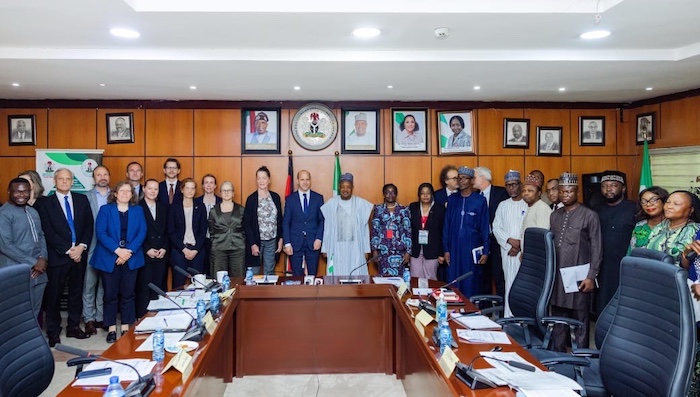
New agreements on energy, agriculture and digital reforms spark fresh optimism for Nigeria’s economy
Nigeria and Germany have deepened diplomatic and economic ties in what analysts are already describing as a major breakthrough for investment and development in Africa’s largest economy. The two countries signed fresh cooperation agreements covering energy, agriculture and digital reforms, alongside a proposed €300 million investment framework expected to unlock private sector growth.
The high-level bilateral engagement took place in Abuja during strategic talks between officials of Germany’s Federal Ministry of Economic Cooperation and Development and Nigeria’s Ministry of Budget and Economic Planning. The agreement also includes a €65 million development cooperation package aimed at supporting renewable energy, women-led businesses and small enterprises.
Nigeria’s government described the latest deal as a critical step toward economic transformation, especially at a time the country is pushing reforms in infrastructure, energy transition and digital innovation. German officials reportedly expressed confidence in Nigeria’s long-term economic potential, despite ongoing fiscal and security challenges affecting investor confidence.
The proposed €300 million export credit facility is expected to support both public and private sector investments, with particular attention on agriculture, industrial production and digital modernization. Economic experts say the deal could strengthen Nigeria’s foreign investment profile if implementation is transparent and efficient.
The announcement has already generated reactions across business and political circles, with many Nigerians hopeful that the partnership will translate into jobs, improved infrastructure and stronger economic stability. Others, however, insist that previous international agreements failed to produce visible results for ordinary citizens.
With Germany now positioning itself as one of Nigeria’s strategic European partners, observers believe the latest cooperation signals a broader international confidence in Nigeria’s reform agenda and future economic direction.