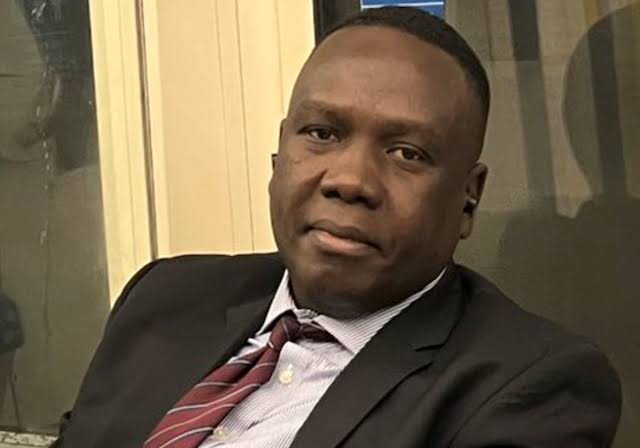
Presidential aide Daniel Bwala has launched a fresh attack on Cardinal John Onaiyekan, accusing the cleric of expressing a Catholic position rather than speaking for Nigeria’s wider Christian community.
A fresh political and religious controversy has erupted after Daniel Bwala, Special Adviser to President Bola Tinubu on Media and Public Communications, took aim at Cardinal John Onaiyekan over his recent criticism of the Federal Government.
Bwala accused the Catholic cleric of speaking for Catholics rather than Christians as a whole and alleged that the institution he represents is sympathetic to Peter Obi ahead of the 2027 presidential election.
The presidential aide made the remarks in a post on X on Saturday, August 1, 2026, while responding to Onaiyekan’s comments about President Tinubu’s recent meeting with Catholic bishops.
Bwala: Onaiyekan Was Not Speaking for Christians
Bwala disputed the impression that Onaiyekan’s assessment represented the position of Nigeria’s entire Christian community.
He argued that the cardinal was speaking from a Catholic perspective and claimed that Catholic institutions had shown sympathy towards Peter Obi, who is expected to feature prominently in the 2027 political contest.
Bwala described Onaiyekan’s intervention as more political than spiritual while stressing that not every Catholic supports Obi.
Onaiyekan Had Criticised Tinubu’s Economic Position
The controversy followed Onaiyekan’s disclosure about the July 28 meeting between President Tinubu and the leadership of the Catholic Bishops’ Conference of Nigeria at the Presidential Villa in Abuja.
The cardinal said the bishops presented what they believed to be the reality facing Nigerians, including economic hardship and insecurity.
According to Onaiyekan, Tinubu disagreed with their assessment and maintained that the economy was improving.
The cleric had also expressed concern about Nigeria’s political direction and the possibility of an increasingly dominant one-party system.
‘President Was Right to Disagree’ — Bwala
Bwala defended Tinubu’s decision to reject the bishops’ assessment of the economy.
He argued that the President was entitled to disagree based on government data, statistics and economic indicators.
The presidential aide also questioned the contrast between religious leaders acknowledging hardship in the country and the messages sometimes given to members of their congregations about remaining positive despite economic difficulties.
Bwala Demands Neutrality From Christian Bodies
Bwala further argued that a broader Christian umbrella body already exists to represent Christians across denominations, including Catholics.
He said such a body should remain politically neutral and suggested that religious institutions should avoid presenting partisan positions as the voice of all Christians.
His comments have added another dimension to the growing political debate surrounding Onaiyekan’s criticism of the Tinubu administration and the approaching 2027 election.
2027 Politics Enters the Dispute
The clash between Bwala and Onaiyekan comes as Nigeria’s political atmosphere intensifies ahead of the 2027 general election.
Onaiyekan has raised concerns about the country’s democratic direction, while the Tinubu administration has continued to defend its economic policies and record.
Bwala’s response now places the alleged political alignment of religious institutions at the centre of the latest exchange.
The controversy is likely to fuel further debate over the role of religious leaders in national politics and whether their assessments of government performance should be interpreted as spiritual interventions or political commentary.