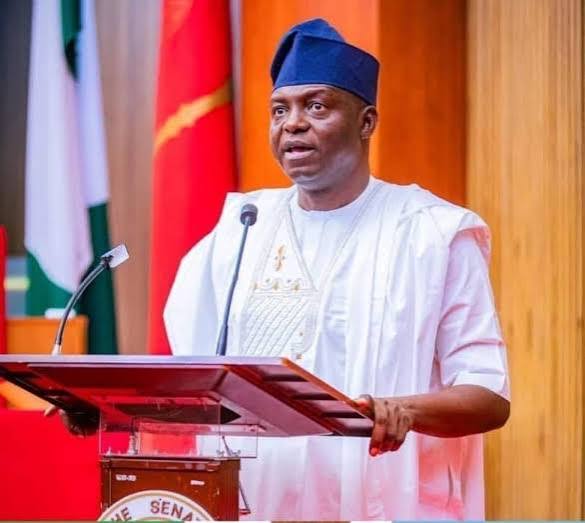
The National Chairman of the All Progressives Congress (APC), Professor Nentawe Yilwatda, has warned Nigerians against former Vice President Atiku Abubakar’s proposal to restore petrol subsidy if elected president in 2027.
Yilwatda argued that reversing the subsidy removal could undermine the economic reforms implemented by President Bola Ahmed Tinubu’s administration and potentially return the country to the fiscal difficulties associated with the previous subsidy regime.
The APC chairman’s comments come amid renewed political arguments over the removal of petrol subsidy, with Atiku, the presidential candidate of the African Democratic Congress (ADC), advocating a targeted subsidy arrangement to reduce the burden of high fuel prices on Nigerians.
Yilwatda said Atiku’s proposal could lead to a return of fuel queues and undermine the government’s ability to sustain current economic policies, including the new minimum wage.
According to the APC chairman, the subsidy system had created significant pressure on public finances, while the removal of the policy has allowed governments to retain more revenue for other areas of development.
He maintained that Nigerians should carefully consider the long-term consequences of returning to a subsidy regime rather than focusing solely on the immediate reduction in petrol prices.
The renewed disagreement over subsidy policy has become one of the major economic issues emerging in the political debate ahead of the 2027 presidential election.
Atiku has defended his proposal, arguing that a targeted subsidy could protect vulnerable Nigerians from the impact of high energy and transportation costs without necessarily returning to the previous system in its entirety.
The APC, however, has continued to reject the proposal, with Yilwatda describing it as a potentially damaging reversal of the direction of the economy.
The debate is expected to intensify as the 2027 election approaches, with political parties likely to make fuel pricing and the wider cost-of-living crisis central components of their economic campaigns.