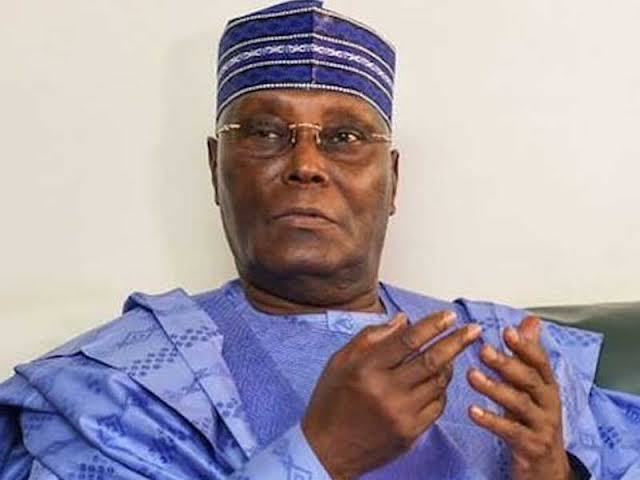
Former Vice President Atiku Abubakar has challenged President Bola Tinubu to reconsider his opposition to fuel subsidy and adopt measures aimed at reducing petrol prices for Nigerians.
Atiku made the appeal during a World Press Conference in Abuja, where he argued that the government should prioritise immediate relief for households struggling with high transportation, food and energy costs.
He urged Tinubu not to reject a policy simply because it had been proposed by an opposition politician.
“Don’t be ashamed to do what is necessary to lower the price of petrol simply because Atiku Abubakar proposed a government intervention,” he said.
‘Take the idea and take the credit’
Atiku said the Federal Government could adopt his proposal, modify its branding or even claim political credit for it, provided that Nigerians benefited from lower prices.
“Take the idea, rename it if you wish, and even take the credit. What matters to me is that Nigerians pay less,” he said.
His proposal centres on a production subsidy for petroleum products refined in Nigeria rather than the broad petrol subsidy regime that the Tinubu administration terminated in 2023.
Atiku has argued that supporting domestic production could increase supply and help reduce the price consumers pay at the pump.
Atiku links petrol prices to wider hardship
The former vice-president said expensive petrol has consequences beyond the filling station because transportation, logistics and agricultural costs are affected by changes in fuel prices.
He argued that the impact eventually reaches consumers through higher food and other commodity prices.
Atiku has repeatedly used the cost-of-living crisis to challenge the Tinubu administration’s economic reforms, saying Nigerians need immediate relief rather than appeals for patience.
Tinubu administration defends subsidy removal
The Federal Government has consistently defended the removal of the petrol subsidy as a necessary reform, arguing that the former system placed a substantial financial burden on government.
Tinubu has previously described the removal as a difficult but necessary decision intended to address longstanding fiscal problems.
The debate over whether and how government should intervene in petrol pricing is therefore likely to remain central to Nigeria’s economic and political discourse ahead of 2027.