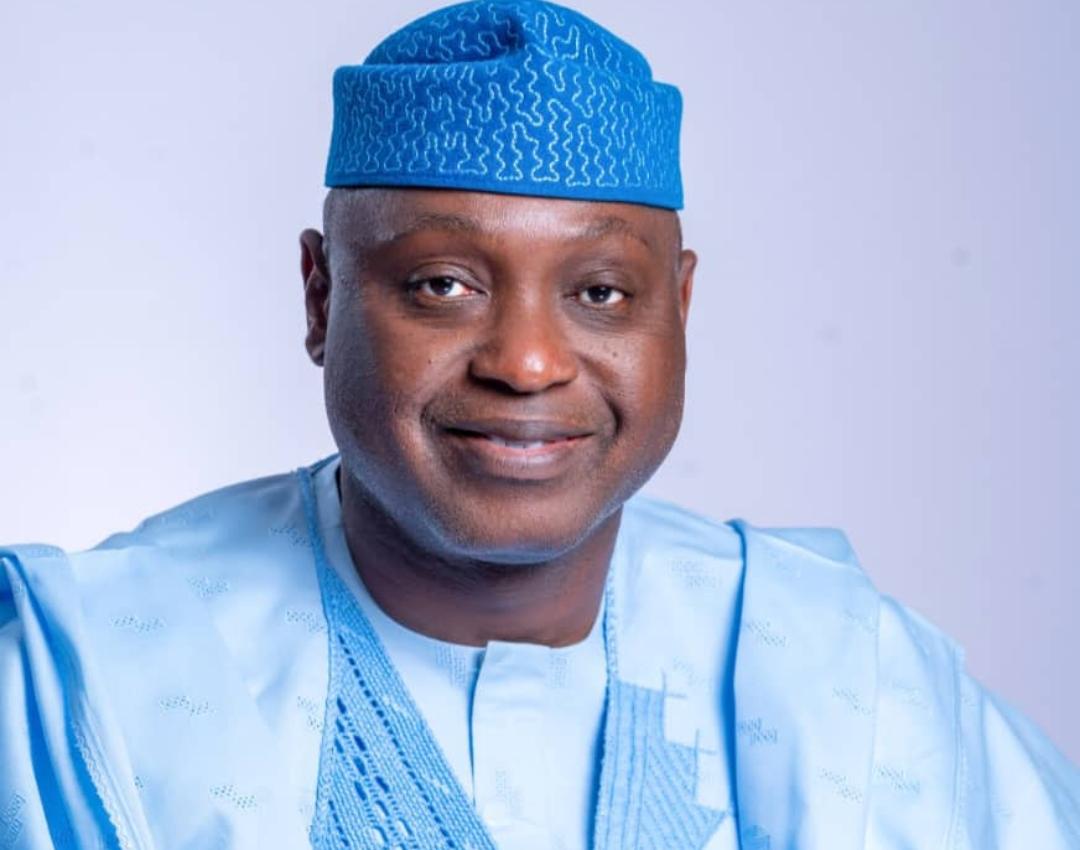
Ekiti State Governor Biodun Oyebanji has reported a substantial increase in the state’s internally generated revenue (IGR), attributing the growth to reforms in tax administration, digital transformation and the expansion of the revenue base.
Oyebanji disclosed the figures on Tuesday, October 13, 2026, while delivering his annual State of the State address at the Ekiti State House of Assembly in Ado-Ekiti.
The governor said the state’s monthly IGR had risen from an average of between ₦650 million and ₦700 million when his administration assumed office in October 2022 to approximately ₦2.6 billion in 2026.
He attributed the improvement to institutional reorganisation, the digitisation of revenue collection, the expansion of the tax net and efforts to create a more business-friendly environment.
According to the figures presented in his address, Ekiti generated ₦8.7 billion in 2022, ₦12 billion in 2023, ₦17.6 billion in 2024 and ₦27.1 billion in 2025. The state recorded a further ₦15.6 billion by June 2026, with the governor projecting that revenue could reach ₦32 billion by the end of the year.
Oyebanji said the state’s stronger revenue performance was helping it finance a greater proportion of public expenditure from its own resources rather than relying exclusively on allocations from the Federation Account.
He also cited independent revenue data indicating that Ekiti recorded significant growth in 2025, which he attributed to improvements in revenue administration.
The development is important for a state seeking to expand infrastructure, strengthen public services and create economic opportunities while managing competing demands on limited public resources.
Internally generated revenue provides state governments with additional fiscal capacity to finance projects and meet recurrent obligations. However, higher collections must be assessed alongside the burden placed on businesses and households, the efficiency of public spending and the quality of services delivered.
For revenue reforms to remain sustainable, they must broaden compliance and reduce leakages without discouraging investment or placing disproportionate pressure on small businesses.
The governor said his administration had also given greater attention to trade, investment and agriculture, which he identified as areas of comparative advantage. Investments in aviation and tourism were also presented as part of efforts to diversify the state’s economic base.
These sectors could help expand commercial activity and employment if supported by reliable infrastructure, access to finance and policies that enable private enterprises to grow.
The revenue figures also raise an important question about how additional resources will translate into better roads, education, healthcare, public infrastructure and opportunities for residents.
A stronger IGR base can improve a state’s financial independence, but its ultimate value depends on the transparency, efficiency and development impact of the spending it supports.